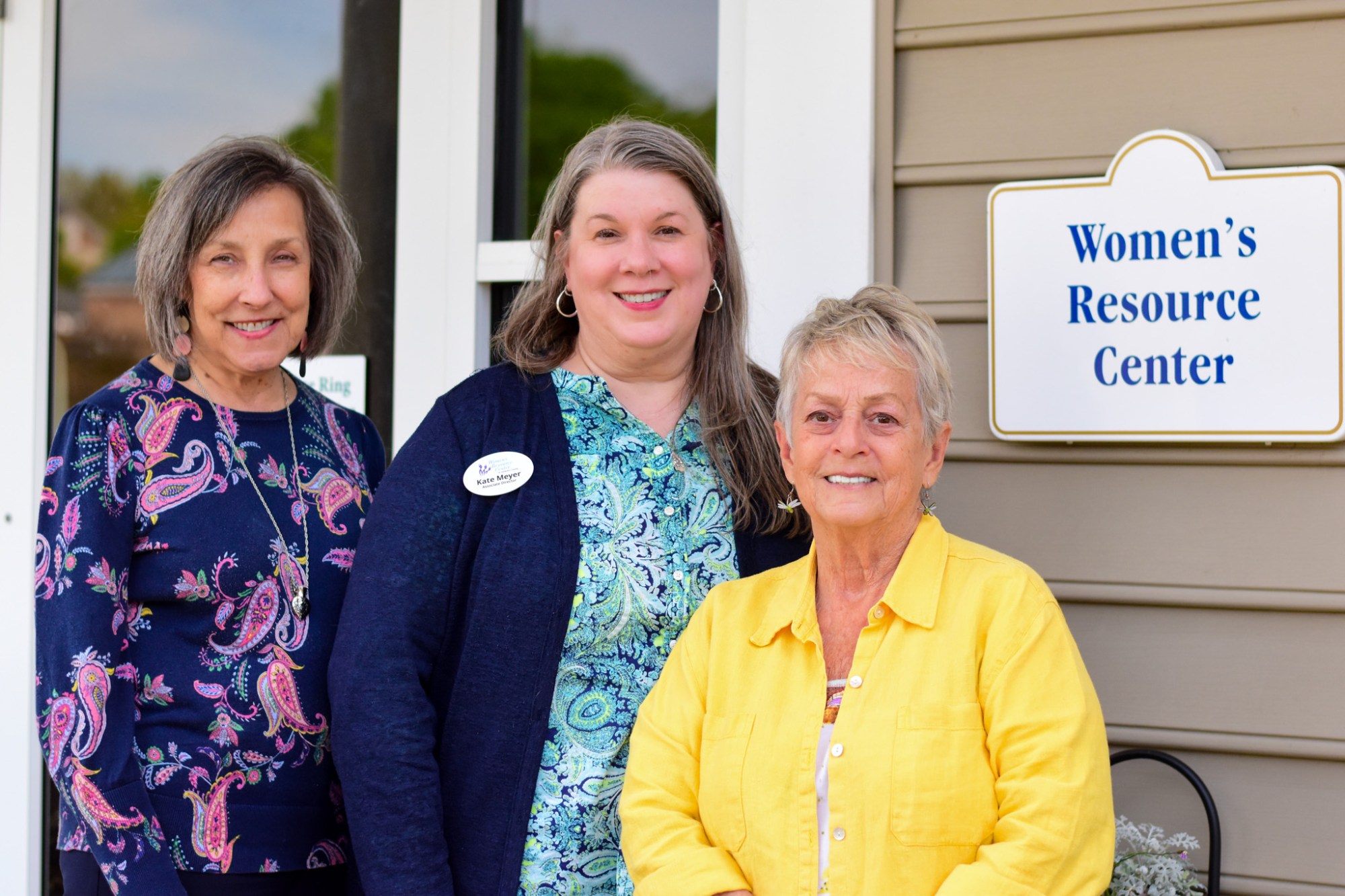
Tucked away on West Fifth Street in Burlington, an unsuspecting building packs a big punch as the home of three well-known outreach organizations that serve Alamance County. The small beige office building, known as the Presbyterian Outreach Center and part of First Presbyterian Church’s campus, is occupied by the FPC’s Furniture Ministry, Alamance County Meals on Wheels, and the Women’s Resource Center in Alamance County.
This year, the Women’s Resource Center is celebrating its 35th anniversary as a nonprofit.
The center’s story is a starting point in contemporary Alamance County women’s history.
While founded in 1991, its origins date back to 1982. What started as a political movement for women’s equality steadily evolved into the empowerment-based organization it is known as today, focused on professional development and life stability resources for all women in Alamance County.
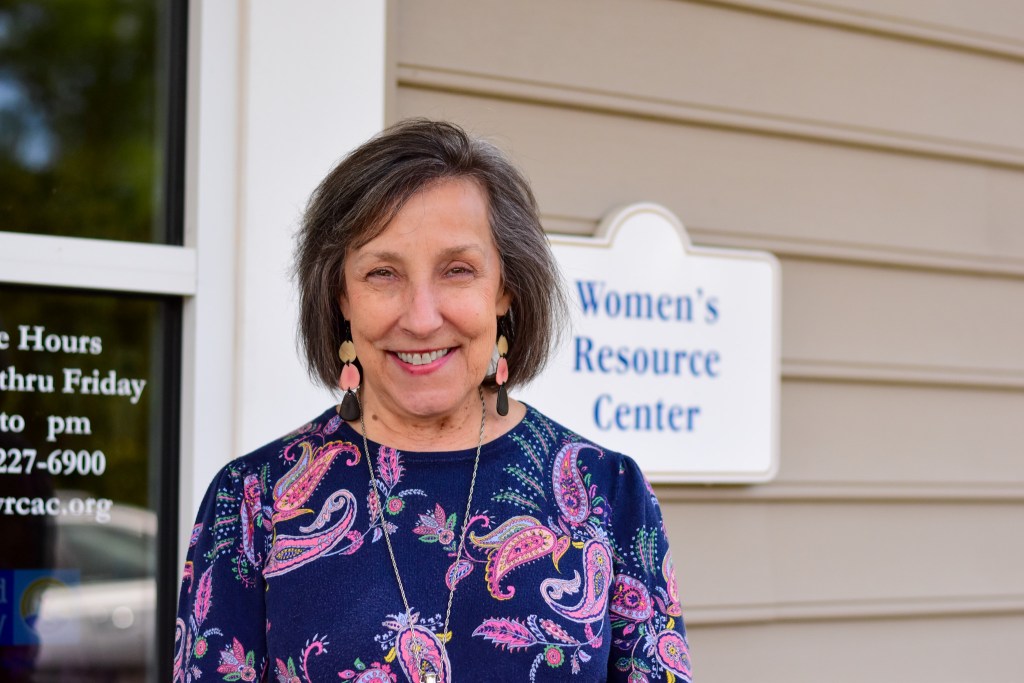
“We started the Women’s Resource Center with a grant from the Z. Smith Reynolds Foundation on a penny and a shoe string,” Becky Mock, the last surviving founding member and former program manager who remains an active advocate for the organization, said. “We grew it from there, and I’m so proud that it is where we are today.”
From political advocacy to nonprofit
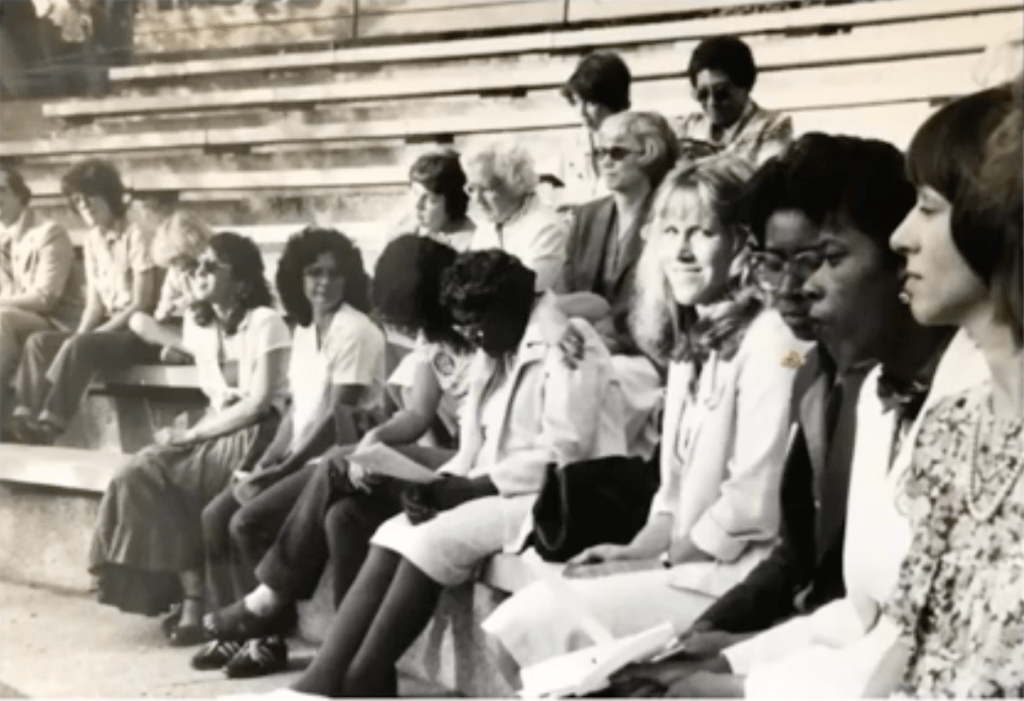
On March 16, 1991, Mock – alongside professor Tennala Gross, N.C. Rep. Bertha “B” Holt, and professor Martha Smith – founded the center after years of long-standing efforts through the Alamance Women’s Political Caucus in 1982. Their group stemmed from the statewide North Carolina Women’s Political Caucus, established in 1971 to ratify the Equal Rights Amendment (ERA).
At the time, women were largely underrepresented in the North Carolina General Assembly and local offices, even more so than they are today.
During the 1981-1982 legislative session, when the Alamance caucus was established, three women served in the Senate and 19 were state representatives. One of these legislators was Holt, who was appointed to fill a House seat in 1975 and remained in office representing Alamance County until 1993.
A 2015 analysis titled “Status of Women in North Carolina Politics” from Meredith College found that although women made up over 54% of the registered voters in the state, women held less than 25% of all appointed and elected offices.
Today, less than one-third of our state lawmakers are women with 16 in the Senate and 33 in the House. Alamance County’s state senator, Amy Scott Galey, a Republican, is among them.
Through the caucus, organizers aimed to ignite women across different races, ages, political parties, and socioeconomic backgrounds to unite in advocacy for women’s equality, and influence public policy to improve women’s lives and guarantee constitutional rights at the federal, state and local levels.

“We really couldn’t get a lot of traction [in Alamance] because women were not interested in becoming engaged in politics,” Mock said. “It just was not happening.”
So they shifted gears.
Gross, Holt, Smith, Mock and their supporters heeded a call from state organizers in 1989 to start a women’s resource center in every single county. They would provide direct services and information at no cost to women facing life crises, such as divorce, the loss of a spouse, domestic violence, unexpected career changes and economic hardship.
Mock recalled it as a “very ambitious” mission.
Though challenging, they believed these kinds of resources were critically needed and would not be deemed as “political,” and, in turn, get more people on board.
First, they needed a space to operate.
After months of writing grants, filing legal documents and becoming an official nonprofit, the center’s first office opened in a room at the Burlington Executive Plaza on North Mebane St.

‘When women succeed, communities thrive’
In the early days, the center focused on teaching basic financial literacy, helping women set goals and establish budgets. Even though the Equal Credit Opportunity Act was passed in 1974, Mock said the effects of decades of living in a society where men were the only ones with legal financial power were still being felt in places like Alamance years later. Prior to that federal legislation, women were legally required to have a husband or father sign for them to open a checking account or obtain a credit card.
“A man had to do it. You couldn’t do it on your own,” said Mock. “The world was changing. A lot of people in this community needed help to survive and improve their lives and take care of themselves, their children.”
In 1999, the center moved into a small brick house on South Main Street in Burlington, directly across the street from the YMCA. The larger space provided “a more private place” for clients coming in for counseling and transition support, the center’s first executive director, Heidi Norwick, said during a webinar for the center’s 30th anniversary.

Despite its continued growth and expansion, funding the center has always been an exhausting, ongoing challenge, according to the center’s leaders. This became especially true with the loss of “displaced homemaker” funding reallocated by the state legislature in 2013.
“For us, we lost about $50,000 to $60,000 in annual income to be able to support women,” Executive Director Susan Watson, who joined in 2014, said.
Who does the center serve?
The Women’s Resource Center also partners with other local organizations. On Thursday afternoons, for example, there’s a staff member on site at the Family Justice Center of Alamance County to connect with people trying to rebuild their lives after experiencing domestic violence or other traumas.
“That’s a huge source of referrals for us,” Watson said.
She estimates the center serves about 300 individual women on average each year.
“Last year we served 376,” Watson said.
Most clients are single women and single moms with one or two children. Some are also men. But all of them come from a variety of backgrounds, including professionals with graduate and doctoral degrees.
“Sometimes people think, ‘Oh, they’re serving those women,’” said Watson. “But ‘those women’ are in your church pews. They go to school with your children. They’re your teachers. They’re your nurses.”
“… They’re your associate director!” added Kate Meyer, who has been in that role since 2022 and was once a volunteer. “I was a client before I ever came to work here.”

The work the center does is personal to staff.
“We all have a story,” Meyer said, pointing to Watson and Mock sitting to her right. “Each one of us.”
“I am my client,” added Watson.
How to get help or get involved
Anyone interested in the center’s free services and resources must schedule an appointment by calling 336-227-6900 to determine their needs.
Current programs include their long-standing “Success Toolkit” services like budget and career counseling, the EmpowerHER Career Series seminar, the Working Women’s Wednesday professional networking luncheon, and two youth outreach workshops named “Frame Your Future” – developed in collaboration with the 2026 Elon Periclean Scholars – and “Growing Up and Liking It” for high school- and middle school-aged girls. Another program, Grieve with Grace, was developed and delivered by this year’s intern cohort.
The Women’s Resource Center has always relied on volunteers and on a combination of community donations, dedicated fundraising events, and grants to sustain its operations and programming.
Community members can support the center directly by writing a check or making an online donation. The center is currently running a 35th anniversary fundraising campaign with a goal of raising $35,000 by the end of the year.
Each year, the center organizes two signature events to raise money that have become a tradition in the community.
In the fall, the center hosts its “Leading the Way” fundraising event, an awards ceremony honoring local women leaders nominated by community members and their peers.
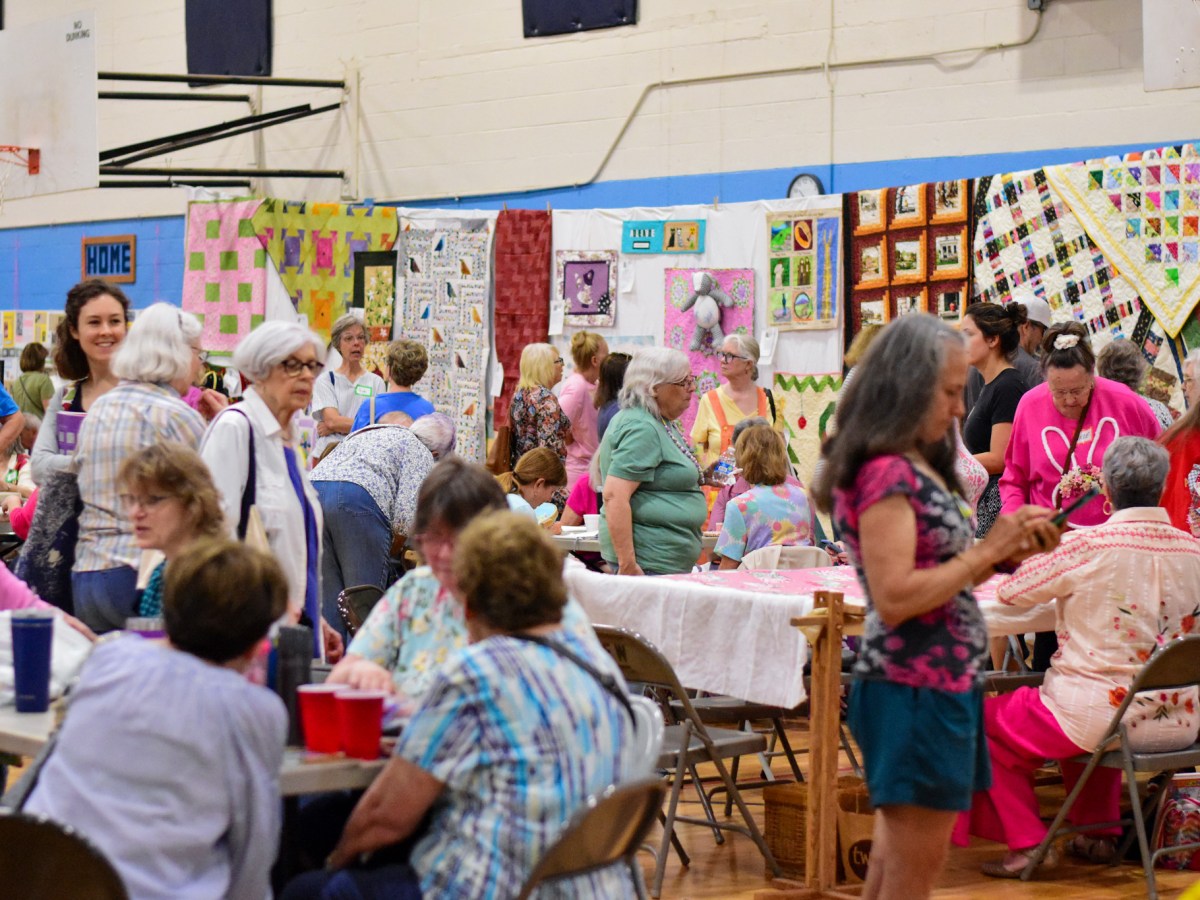
But perhaps the center’s most well-known fundraising event – definitely its largest – is the annual Herb Festival. It returns for its 28th season this year.
“It’s the best-smelling event you’ll ever go to,” Mock said.
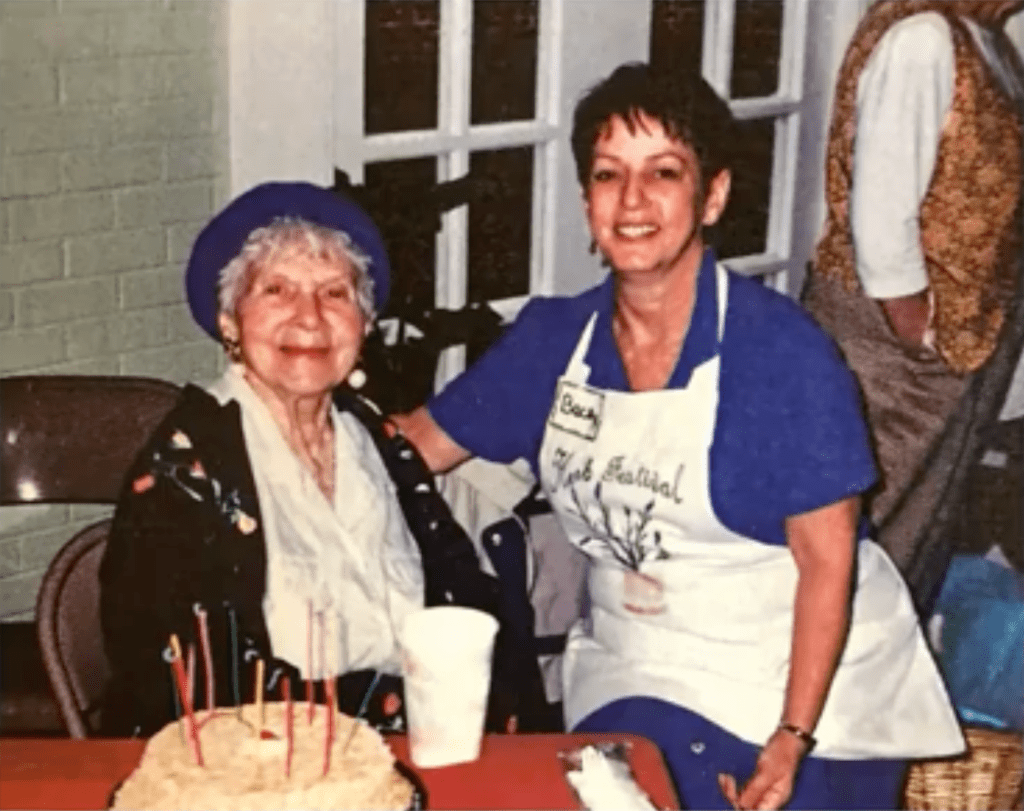
What began as a small-scale, single-day event in Calvin Hall at First Presbyterian Church has since evolved into a multi-day festival in the church’s auditorium, Shive Hall.
The festival kicks off with a ticketed garden party on April 23 and features 15 vendors selling a wide variety of native plants, herbs, annuals, vegetables, and perennials.
The event opens to the public April 24 and ends April 25. Admission is $5.