
Overview
It is a long established fact that a reader will be distracted by the readable content of a page when looking at its layout. The point of using Lorem Ipsum is that it has a more-or-less normal distribution of letters, as opposed to using ‘Content here, content here’, making it look like readable English. Many desktop publishing packages and web page editors now use Lorem Ipsum as their default model text, and a search for ‘lorem ipsum’ will uncover many web sites still in their infancy.
What you need to know
What’s happening?
It’s possible FEMA will be eliminated or see significant slashes in the federal funding the agency uses to help with disaster recovery nationwide.
Already, there have been freezes or cuts to a FEMA program of hundreds of millions of dollars helping build things like evacuation shelters and flood walls, as well as roads and bridges that can withstand stronger storms.
Many experts forecast the federal government will provide less and less funding – in terms of preventative emergency management (such as weather warnings), immediate support like paying for hotels after a disaster, as well as long-term recovery aid, like FEMA’s public assistance grants.
Will FEMA be cut?
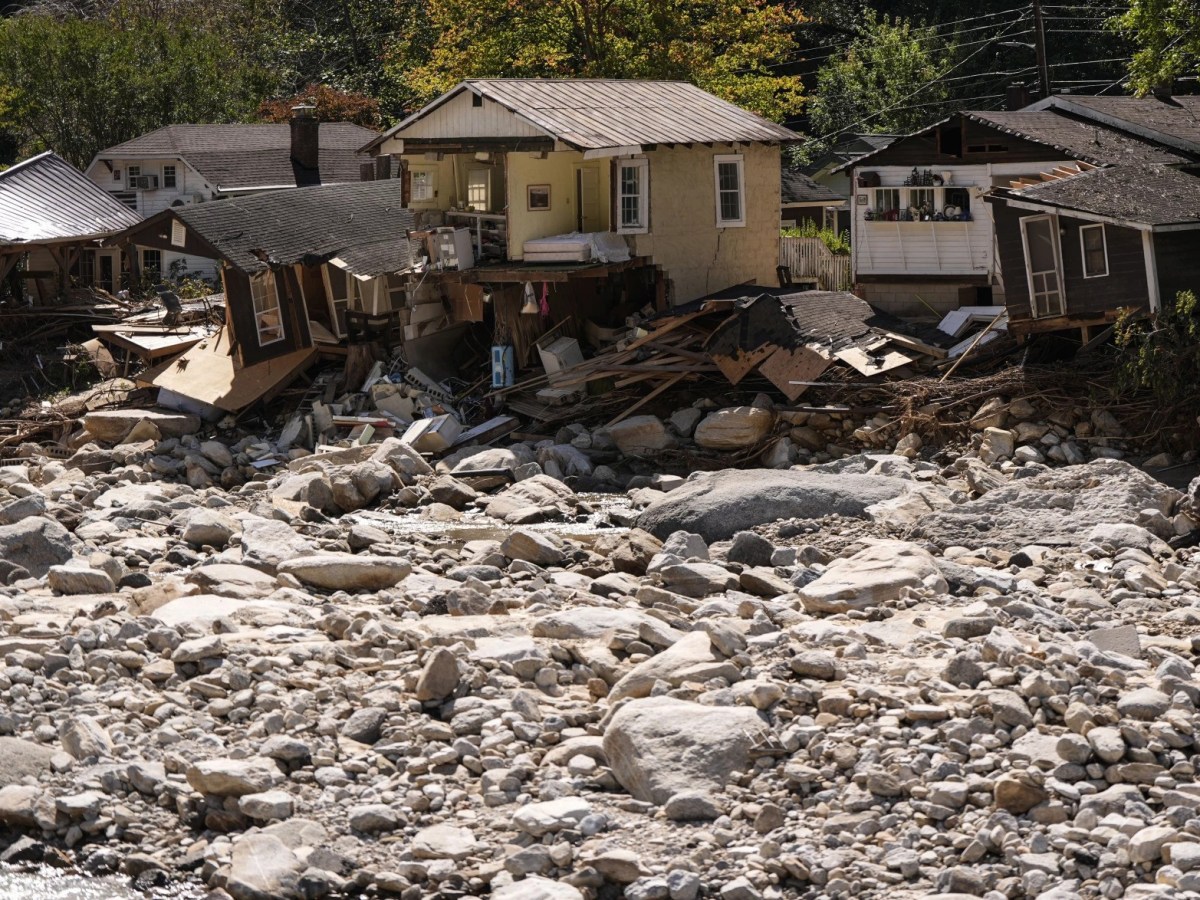
President Donald Trump has both blamed the Biden administration for being too slow to send help after Helene and has said he’ll “wean” states off federal help after major disasters.
A recent statement from Homeland Security Secretary Kristi Noem celebrated how the administration has “radically reformed” the agency. Trump’s team said it is moving faster than past administrations, but there is also evidence that many North Carolina communities are facing delays or cuts to funding.
What about other federally funded programs?
In North Carolina, Democrats sounded the alarm that Trump’s combined cuts – to federal weather forecasting services and programs that subsidize local proactive hazard mitigation projects – will simultaneously leave communities less prepared before storms and facing longer recoveries.
For example, part of the slashing of staff across most federal agencies early in Trump’s term raised concerns over dam and flood management programs.
Gov. Josh Stein suggested state lawmakers set aside hundreds of millions of dollars into North Carolina’s “rainy day fund” for the specific purpose of paying for disaster recovery projects that the federal government would typically cover.
The governor also sent another request to Trump and federal lawmakers – for $13.5 billion – that would require action by Congress. Stein says, if granted, North Carolina would spend more than half of the additional funding on home rebuilding, grants and forgivable loans to businesses, and programs to help communities rebuild private roads, bridges, and public water infrastructure.
Beyond Helene:
Even before federal funding cuts and the enormous destruction of Hurricane Helene, North Carolina leaders admitted they were falling behind – and running out of money – in a core program that helps disaster survivors rebuild their homes. More recently, one emergency manager in North Carolina said he has been “ghosted” by FEMA as communities scramble to adjust to the federal government shifting more costs and responsibilities to states after disasters.
From Our Partners