
Overview
FEMA funding is not expected to be the major source of rebuilding homes in North Carolina post-Helene. Aside from charitable efforts and insurance claims, available funds for home rebuilding or repairing come mainly from $1.4 billion allocated by HUD in early 2025.
What you need to know
What to know:
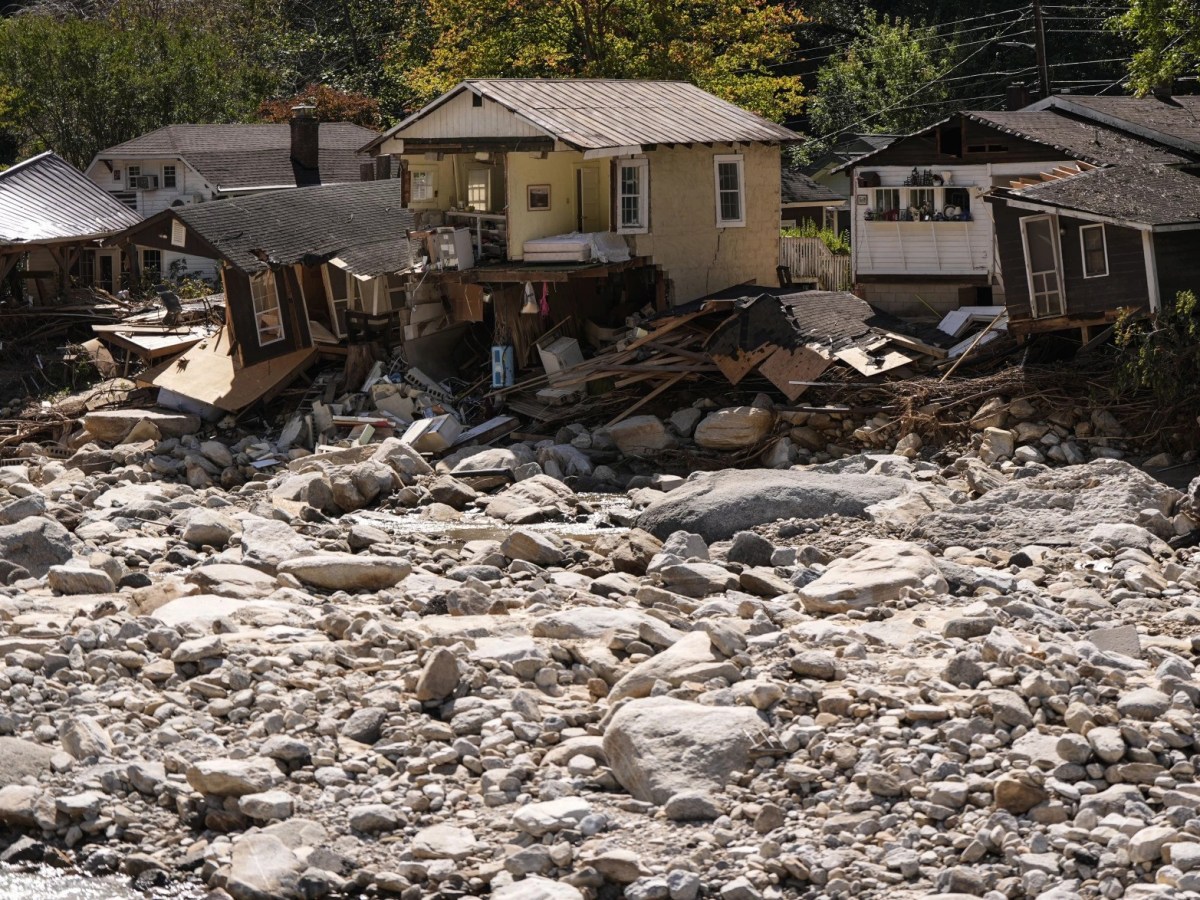
In the early aftermath of Hurricane Helene, people who lost their homes (or had homes with so much damage, the structure was uninhabitable) largely turned to temporary housing options.
FEMA, as well as the state, installed limited temporary mobile homes, and approximately 13,000 survivors lived for weeks or months in hotels.
In early 2025, the focus shifted to funding for programs that will rebuild or rehab damaged homes in Western North Carolina.
Where the money comes from:
A large pot of block grant funding from HUD is expected to prioritize low-income households for rebuilding, as well as those with seniors, children, or disabled family members.
The state also issued $6 million to two non-profit groups (Habitat for Humanity and Baptists on Mission). In the first six months, the organizations built a total of six new homes, made critical home repairs for nearly 500 families, and secured temporary housing for another 12 households.
What’s happened so far:
In late August, FEMA reported it approved 160,521 applications for individual assistance over the last year. Getting assistance from FEMA can range from one-time grant money immediately after a disaster to substantial help paying for repairing property damage that is otherwise not covered by homeowners insurance.
In disaster-declared counties, FEMA conducted upwards of 106,000 residential building inspections – a key step for homeowners who applied for aid to pay for house repairs.
Working with FEMA from the inspection to completion of repairs, in most cases, takes months or even years.
FEMA’s expenses on recovery total, so far, $241.5 million on housing assistance and $267.4 million on “other needs,” which refers to a wide range of programs and support, from buying replacement furniture for residents to reimbursing families for funeral costs.
As the one-year anniversary of Helene approached, FEMA data indicated the federal agency’s expenditures on recovery work in North Carolina were much higher for financial help for local governments (like rebuilding public infrastructure or buildings) compared to individual relief (like helping disaster victims pay rent).
FEMA did not respond to NC Local’s questions about recovery work, including how much (on average) the agency has spent per homeowner or renter. It is also unclear how many homeowners may be waiting for insurance claim decisions before FEMA can approve additional aid, or how many WNC have been denied eligibility for federal assistance.
What’s ahead:
The $1.4 billion provided to North Carolina for home rebuilding is expected to pay for repairs or major rebuilding of homes for only 3 to 4% of those that were damaged. State leaders have indicated they will put around $191 million specifically toward repairing damaged apartment buildings or multi-family properties, but the majority is expected to go toward helping individual homeowners make repairs.
In Asheville, the city has been awarded $225 million from HUD and plans to spend about 15% on housing-specific programs – most of that earmarked for multi-family or apartment developers who agree to rent and tenant income restrictions.