
Overview
A new law (House Bill 959) went into effect this summer requiring all North Carolina public schools to keep students from having their cell phones turned on during class time.
The law allows exceptions for educational use, individual student needs and health purposes. Schools have until January to put new policies in place, but many districts have already adopted strong rules about devices.
What you need to know
What happened
North Carolina lawmakers established new rules on student cell phone use this summer, in an effort to provide what Gov. Josh Stein called “a distraction-free learning environment.”
The law arose from a recommendation from the Advisory Council for Student Safety and Well-Being, which Stein established in April. Stein formed the group to develop best practices for school cell phone regulations.
The council’s report, published in June, recommended that schools “eliminate the use of personal communications devices from the start to the end of the school day,” citing negative relationships between cell phone use and mental health. The final law did not go that far, but instead bans use during “instructional time.”
How schools limit phone use
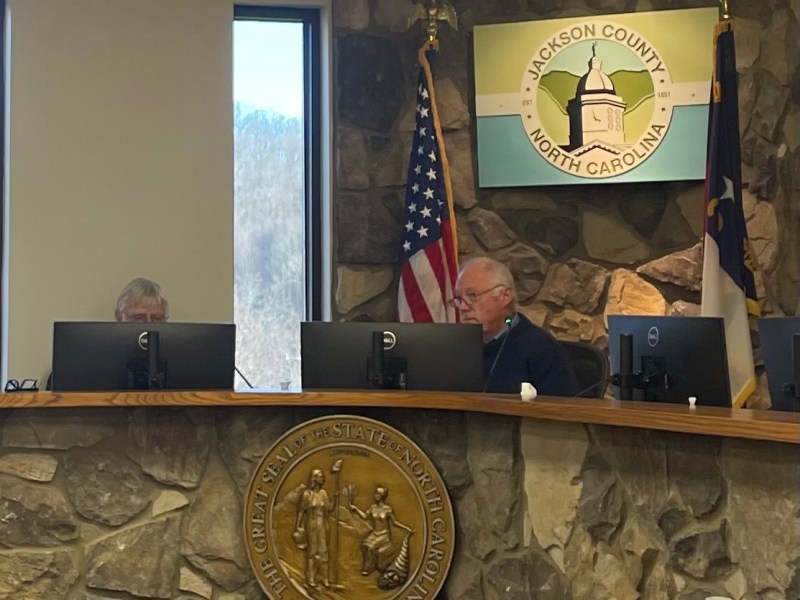
Every local board of education and every charter school board of directors must adopt a “wireless communication policy” by the beginning of 2026.
North Carolina law calls for local policies to prevent pupils from “using, displaying, or having a wireless communication device turned on during instructional time,” but schools can enact even stronger limits on phones during breaks or lunch periods if they so choose.
Lawmakers considered two bills about phones in schools this spring. They ultimately chose to adopt the stronger of the two, which mandates a classroom phone ban and requires that schools “establish consequences” for students who violate the policy.
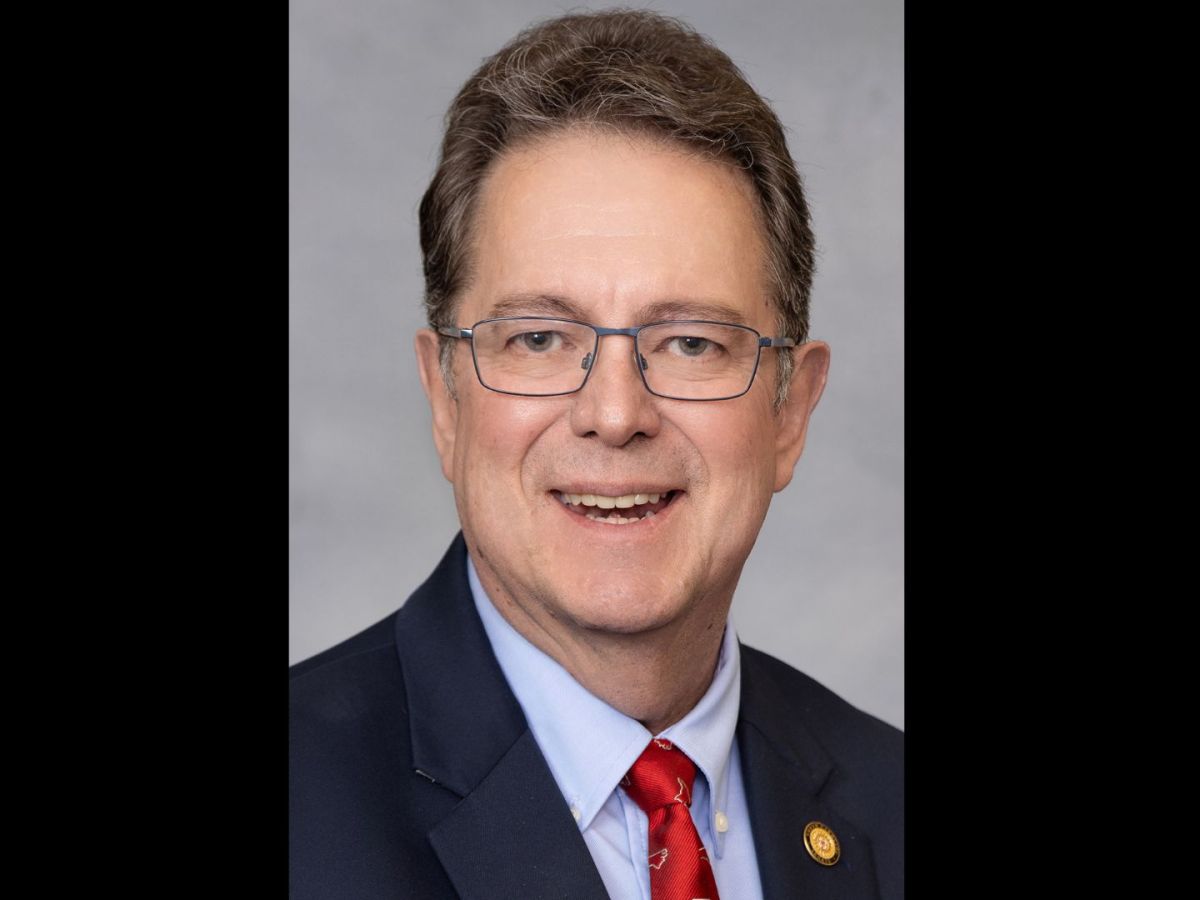
The measure passed almost unanimously in the General Assembly and received Stein’s signature. The only lawmaker to vote against it was Republican Sen. Ralph Hise, who did not respond to a request for comment.
Who this affects
The new law affects roughly 1.57 million K-12 students in public schools. As a result of stricter cell phone rules, parents and guardians may also face some delays in communicating with their children during the school day or in emergencies.
Students with certain special needs will still be allowed to use devices during class. The law creates carve-outs for pupils whose individualized education programs or Section 504 plans — accommodations for children with disabilities — require them to access their phones.
Students who use phones to manage a documented medical condition, such as diabetics who use them to check blood sugar levels, can use their phones as well.
What can I do
You can look up your school’s current policy to learn how teachers already handle cell phones. Most schools list the relevant language under policy code 4318, “Use of Wireless Communication Devices.”
If you have feedback for your local school board or charter school board of directors, reach out to them using this contact info:
Contact info for charter school board chairs is available through the N.C. Department of Public Instruction.
If your student has an IEP or Section 504 plan, you can also request a review to consider specific rules around cell phone access.
What else do I need to know
North Carolina is now one of 31 states that require schools to ban or restrict cell phones in schools. Its rules are less strict than neighboring South Carolina, which forbids K-12 students from accessing their devices during the entire school day without permission.
Get Help
Several organizations help parents and guardians navigate the process of tweaking special education plans.
Disability Rights North Carolina: The Raleigh-based nonprofit has an education team that supports the rights of public school students with disabilities.
Exceptional Children’s Assistance Center: The Davidson-based organization hosts a Parent Training and Information Center that helps train caretakers about their educational options.
N.C. Department of Public Instruction: The state publishes a newsletter for families of students with disabilities and has collected a list of both local and national resources.
From Our Partners