Overview:
In November 2025, Alamance County Sheriff Terry Johnson announced the end of a long-standing agreement between his office and U.S. Immigration and Customs Enforcement to house and transport federal immigration detainees. The end of the contract could remove about $2 million in annual income from an already strained county budget. Still, Johnson said the move was necessary to avoid existing overcrowding and upcoming space needs required by a new state law. Here’s the latest.
What’s changed in the Alamance County Sheriff’s Office partnership with ICE?
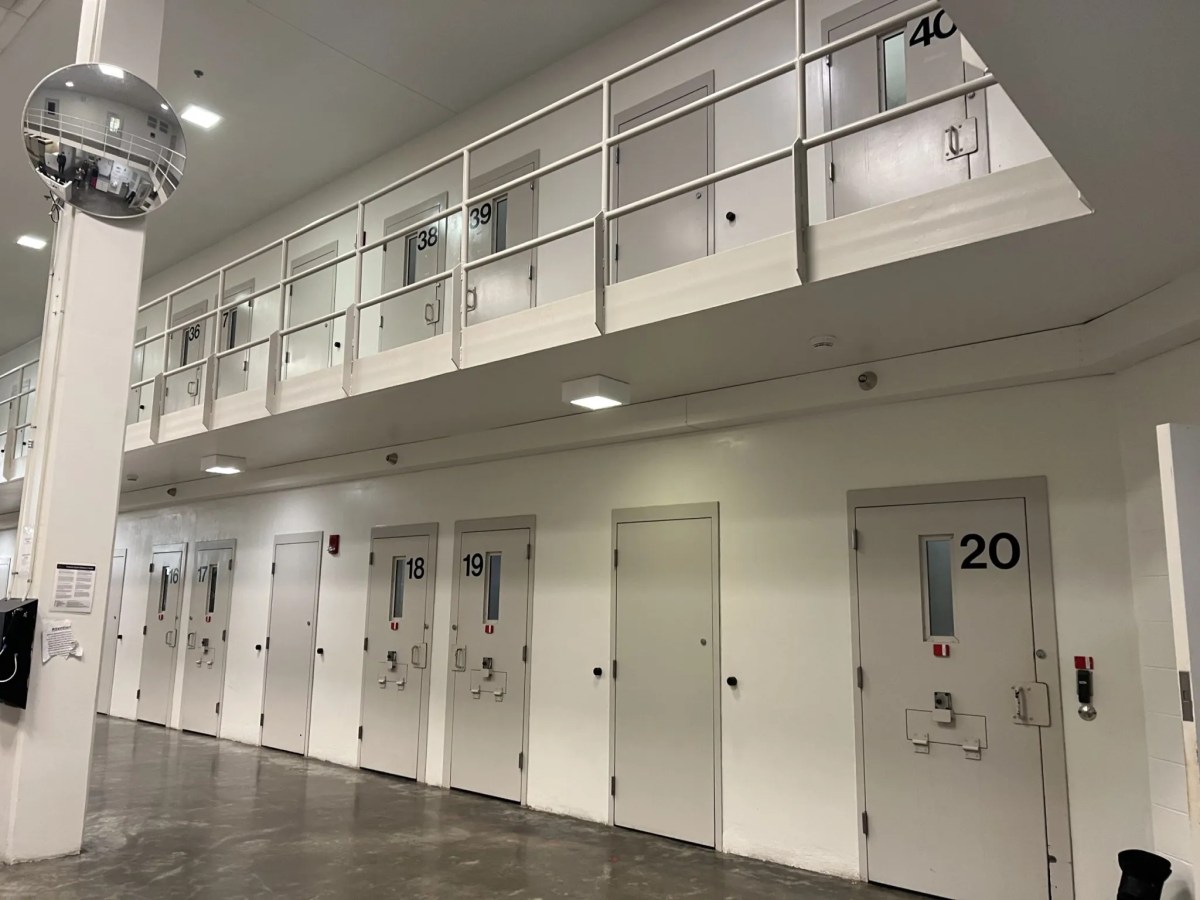
For years, the Alamance County Detention Center served as a deportation way station. Federal officials with Immigration and Customs Enforcement, or ICE, made agreements with local law enforcement to house people in federal custody at local jails and prisons.
In Alamance, stays ranged from 2-4 days and transfers to Alabama and Georgia immigration detention facilities happened twice a week. Within its first 18 months under its contract with ICE, the jail housed nearly 800 detainees at a rate of about $66 a day, according to an inspection report from 2008.
The first agreement from 2007 lasted until 2012. ICE terminated its contract with Alamance County after a civil rights lawsuit filed against Johnson by the federal Department of Justice. Federal prosecutors alleged his office unlawfully targeted Latino residents during traffic stops and other investigations.
The case was ultimately dismissed and Johnson later reentered into an agreement with ICE in 2019. During the first Trump administration, Alamance initially leased 50 beds at a “guaranteed” daily rate of $135 – or about $2 million annually – an amount the county would be paid even if it wasn’t housing detainees. The agreement was later modified to 40 beds.
During the first year under the new agreement, the jail held 35 immigrant detainees on average each day, according to the Transactional Records Access Clearinghouse, or TRAC, which is housed at Syracuse University and collects data from government agencies.
During the pandemic, that figure dropped to fewer than 10, where it remained for the next year. By the fall of 2023, the average number of detainees the jail was holding crept back up to about 20 where it remained through most of 2025.
Then, on Nov. 19, the sheriff’s office shared on Facebook that it ended its agreement to house and transport people detained by ICE in the jail effective Nov. 16, 2025.
Even though the formal housing contract ended, ACSO and ICE are still working together to an extent. Under state law, law enforcement and jail operators now have to cooperate with ICE for people charged with serious crimes whose citizenship can’t be confirmed.
Even if it’s no longer the main location for long-term federal detainees in the region, the county jail can hold certain people for 48 hours after their scheduled release to allow ICE to pick them up.
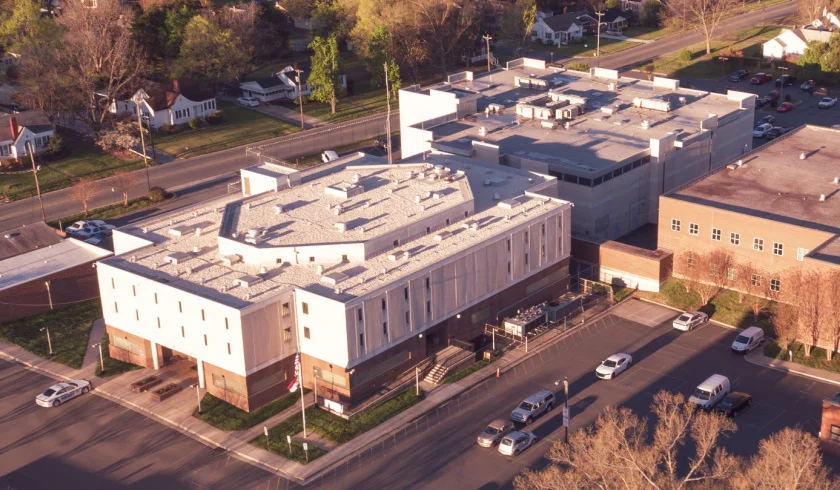
Why did the Alamance County Sheriff’s Office end its agreement with ICE?
In a January interview, Johnson shared that the decision to end the agreement came after years of the jail being seriously stretched for space. The sheriff mentioned the facility hit a breaking point.
“Even when we didn’t hold one ICE detainee, we were having sometimes 76 folks having to sleep on the floor who were local people,” Johnson said. NC Local filed a public records request to confirm this number. The request was not fulfilled before publication.
Adding to the pressure is a new state law, HB 307, also known as “Iryna’s Law,” which went into effect in December of last year. The measure was designed to make pretrial release more difficult, a change the sheriff expects will further increase the number of people in the jail and make their stays longer.
Johnson said keeping the federal contract would have created an impossible situation for his office with the anticipated growing detention population.
Will the sheriff enter an agreement with ICE again in the future?
Johnson said he explained the overcrowding issues to county commissioners and the county manager, who recently toured the detention center.
The county has an old prison unit located near the Alamance-Burlington School System Bus Yard that could house 80 people and free up space in the current jail, according to Johnson. But that property is not up to federal standards and would require additional funding for repairs. He said he has asked ICE for that funding in the past.
“All we’re asking for is fix up the roof, raise the fence, and we can hold 80 people there,” Johnson said.
So far, though, federal authorities haven’t approved the funding.
According to Johnson, Rep. Richard Hudson, who represents North Carolina’s 9th congressional district which includes Alamance County, is working with the sheriff to get the funding.
“I’m not saying we will do it, I’m not saying we won’t,” Johnson said. “It depends on if they’re willing to meet our demands on what we need to effectively hold ICE inmates.”