
Make a plan:
The National Weather Service offers advice for high winds and tornadoes in the forecast:
- Create a Communications Plan: Have a family plan that includes an emergency meeting place and related information. Ready.gov provides a template for creating a plan and a fillable family communications plan.
- Make a shelter plan: “If you live in a mobile home or home without a basement, identify a nearby safe building you can get too quickly, such as a church or family member. Pick a safe room in your home, such as a basement, storm cellar, or an interior room on the lowest floor with no windows.”
Red Cross tornado preparedness video, https://www.redcross.org/get-help/how-to-prepare-for-emergencies/types-of-emergencies/tornado.html
- If you are driving, go to “a nearby sturdy building, and take shelter inside. Do not park or seek shelter under a freeway or overpass (or trees),” the American Red Cross advises.
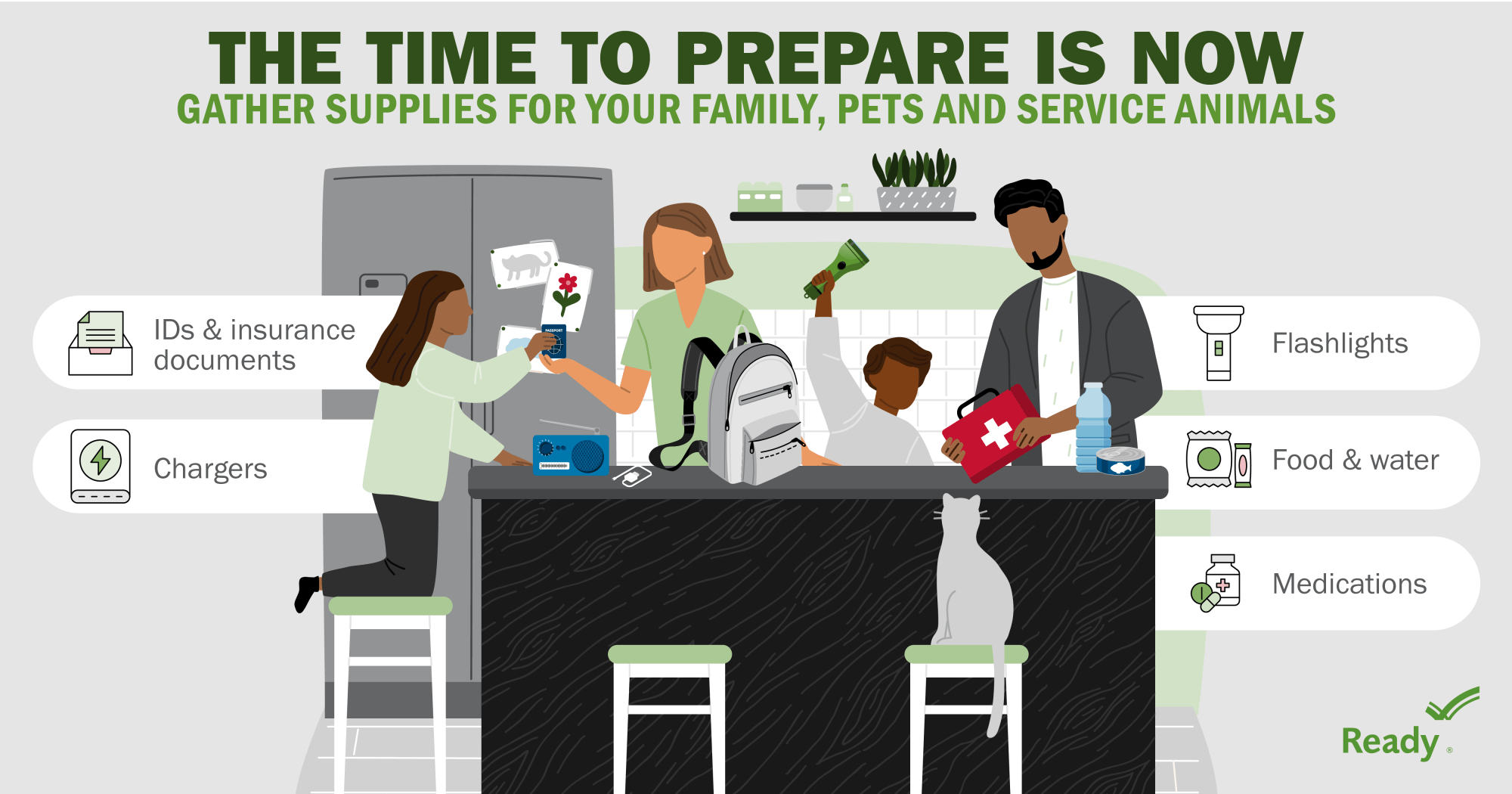
- Charge electronic devices and make copies of important financial documents (and save to the cloud, if possible). Prepare for power outages. “For safety, crews cannot perform elevated work in bucket trucks when winds reach 30 mph or higher, which may slow restoration in some areas,” Duke Energy cautioned. Have a battery-powered or hand crank radio.

Prepare a go bag:
State emergency management officials recommend gathering supplies in advance of any weather crisis including:
- Water – 1 gallon per person per day for 3 to 7 days
- Food – non-perishable and canned food supply for 3 to 7 days
- Battery-powered or hand crank radio and National oceanic and Atmospheric Administration (NOAA) Weather Radio with extra batteries
- Cell phone with charger
- First aid kit and first aid book
- Flashlight and extra batteries
- Manual can opener for food
- Wrench or pliers to turn off water
- Blanket or sleeping bag – 1 per person
- Prescription medications and glasses
- Seasonal change of clothing, including sturdy shoes
- Toothbrush, toothpaste, soap, feminine supplies
- Extra house and car keys
- Important documents – insurance policies, copy of driver’s license, Social Security card, bank account records
- Fire extinguisher
- Cash and change
- Books, games or cards

Identify evacuation routes:
Twenty-one coastal counties have established evacuation zones in advance of a crisis. Search your address to know your evacuation route.
Make sure your phone is enabled to provide emergency alerts:
For iPhone users:
If you’re using iOS 15.4 or later:
Open the Settings app. Tap Notifications. Scroll down to Emergency Alerts, Public Safety and Test Alerts. Turn alerts on.
If you’re using iOS 15.3 or earlier:
Open the Phone App and tap Keypad. Enter *5005*25371# and tap the Call button. You will receive an alert that says “Test alerts enabled.”
Read more about iPhone alerts.
For Android users: (from Android.com)
- Open the Settings app by tapping the gear icon on your home screen or app drawer.
- Go to Safety and emergency > Wireless emergency alerts.
- Enable the alerts you want by using the toggles to adjust your wireless emergency alert settings.