

Gov. Josh Stein signed a bill Monday overhauling North Carolina’s laws on involuntary commitment. The move culminates months of committee meetings and debate at the legislature about how far the state should go in forcing treatment on people with mental illness who are deemed threats to themselves or others.
A special committee in the state House started meeting last year to review the state’s involuntary commitment policies after the death of Iryna Zarutska, a Ukrainian refugee who was killed on a light rail train in Charlotte.
Then, Raleigh school teacher Zoe Welsh was killed in a home invasion earlier this year. In each case, the man charged with murder had a history of mental illness.
“People need to be and feel safe in their communities, and when people are in crisis, they need help to ensure everyone’s safety,” Stein said in a statement after signing the measure. “This bill will advance those goals.”
How does the new law change North Carolina’s involuntary commitment orders?
House Bill 1104 outlines specific risk factors that a judge should consider when issuing an involuntary commitment order. The person must have a mental illness, a history of not following prescribed treatment and at least one warning sign. That could include prior violent convictions, violations of protective orders or repeated incarcerations.
The law also creates a clearer process for people facing criminal charges whose mental illness renders them unfit to stand trial.
When a judge finds that a defendant lacks the capacity to stand trial but could regain it, the court must now order that person into a program designed to help them understand the judicial process and manage their mental health issues.
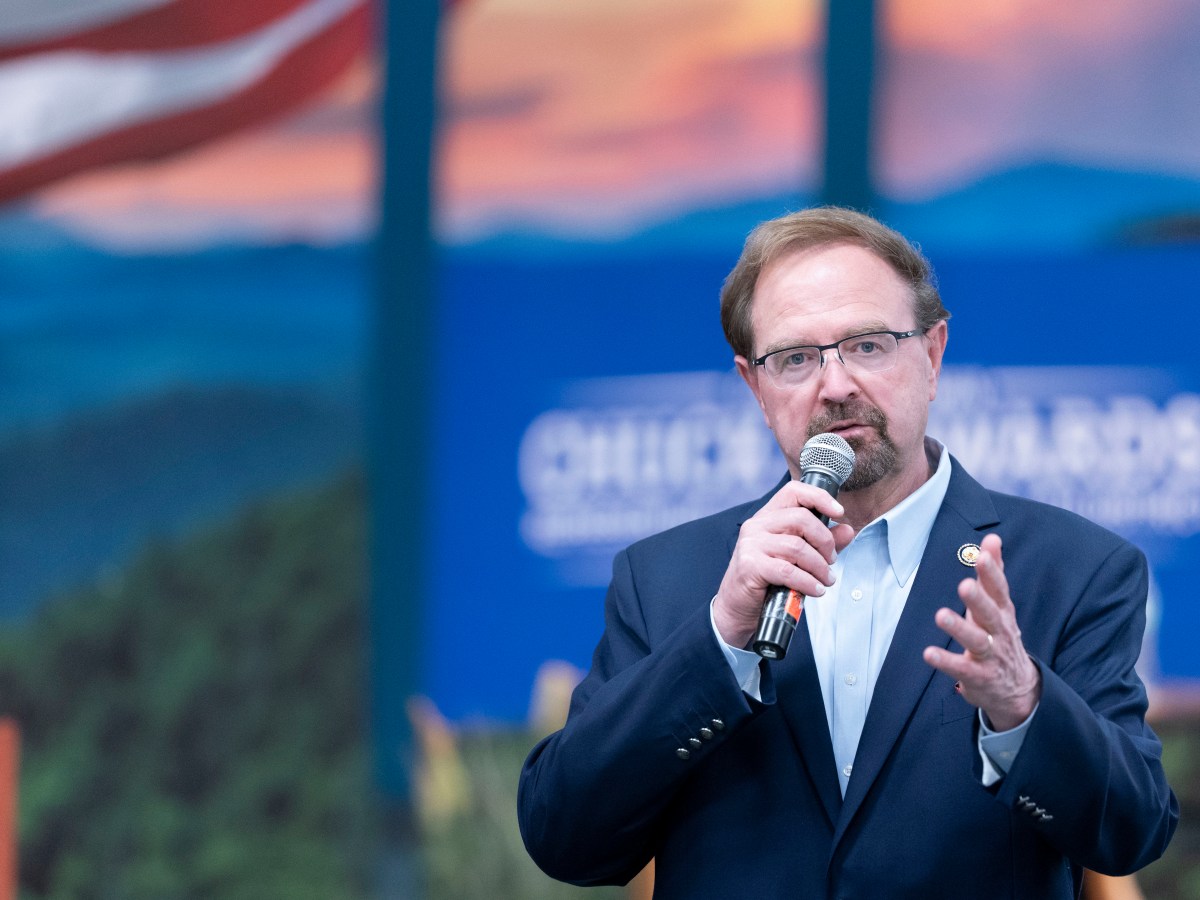
“The main points of the bill are to make sure that people who have criminal behavior get an evaluation,” state Rep. Timothy Reeder, a Republican from Pitt County and a primary sponsor of the bill, told a state Senate committee in June. “[We want] to ensure that if they need treatment for mental health, that actually occurs.”
Reeder is an emergency medicine doctor at ECU Health Medical Center in Greenville and teaches at ECU’s medical school.
The law also doubles the maximum length of an initial outpatient involuntary commitment order from 90 to 180 days. Duke Health psychiatrist Dr. Marvin Swartz told state lawmakers earlier this year that longer involuntary commitment orders can help courts and medical providers make sure patients are adequately complying with their treatment plans before they are deemed no longer a threat to themselves or others.
How does the law address the statewide shortage of psychiatric hospital beds?
North Carolina’s three state-run psychiatric hospitals have faced persistent staffing shortages for years. There aren’t enough doctors, nurses and support workers to keep up with the need for treatment or cover open beds at these facilities.
The new law does not immediately address that shortage, but it requires the state Department of Health and Human Services to develop a plan for recruiting, hiring and retaining staff to help with involuntarily committed patients. It also directs the state to study whether an outside organization could run some or all operations at state psychiatric hospitals.
The law also orders a study on how to improve day-to-day operations that could account for delays in behavioral health treatment.
It requires a study of possible upgrades to BH SCAN, the system that identifies available behavioral health beds. Lawmakers want to know whether the system can show availability in real-time and eventually allow users to reserve a bed.
How does the law balance public safety and civil liberties?
Supporters of the law argue it will help the state act sooner when someone with serious mental illness stops treatment, cycles through jail or prison, or shows signs of becoming dangerous.
It requires providers to track people under outpatient involuntary commitment orders, who may be following a treatment plan at home, more closely. If someone stops following that plan, a judge can now order a follow-up hearing, revise the treatment order or even order that person into an inpatient facility.
That gives the state more leverage than it had before. Supporters argue that such a tool may have prevented the deaths of Zarutska and Welsh.
But some advocacy groups, including Disability Rights NC, have said the rising number of involuntary commitment orders — for people both with and without a criminal record —suggests judges issue too many of them.
At one point in the bill’s journey, state Sen. Mujtaba Mohammed, a Democrat and attorney from Mecklenburg County, praised the proposal but raised concerns that the criteria for outpatient commitment were too vague. The law calls for judges to consider a person’s criminal history within the “relevant past” but does not define that term.
“I would suggest you potentially try to provide some sort of time span, maybe 10 years,” Mohammed told Rep. Reeder during the Senate committee meeting in June. “People can change.”
Lawmakers did not add a definition of “relevant past” into the bill before it became law. Still, Mohammed voted in favor, and the measure passed with overwhelming bipartisan support in the state House and Senate before the governor signed it this week.