
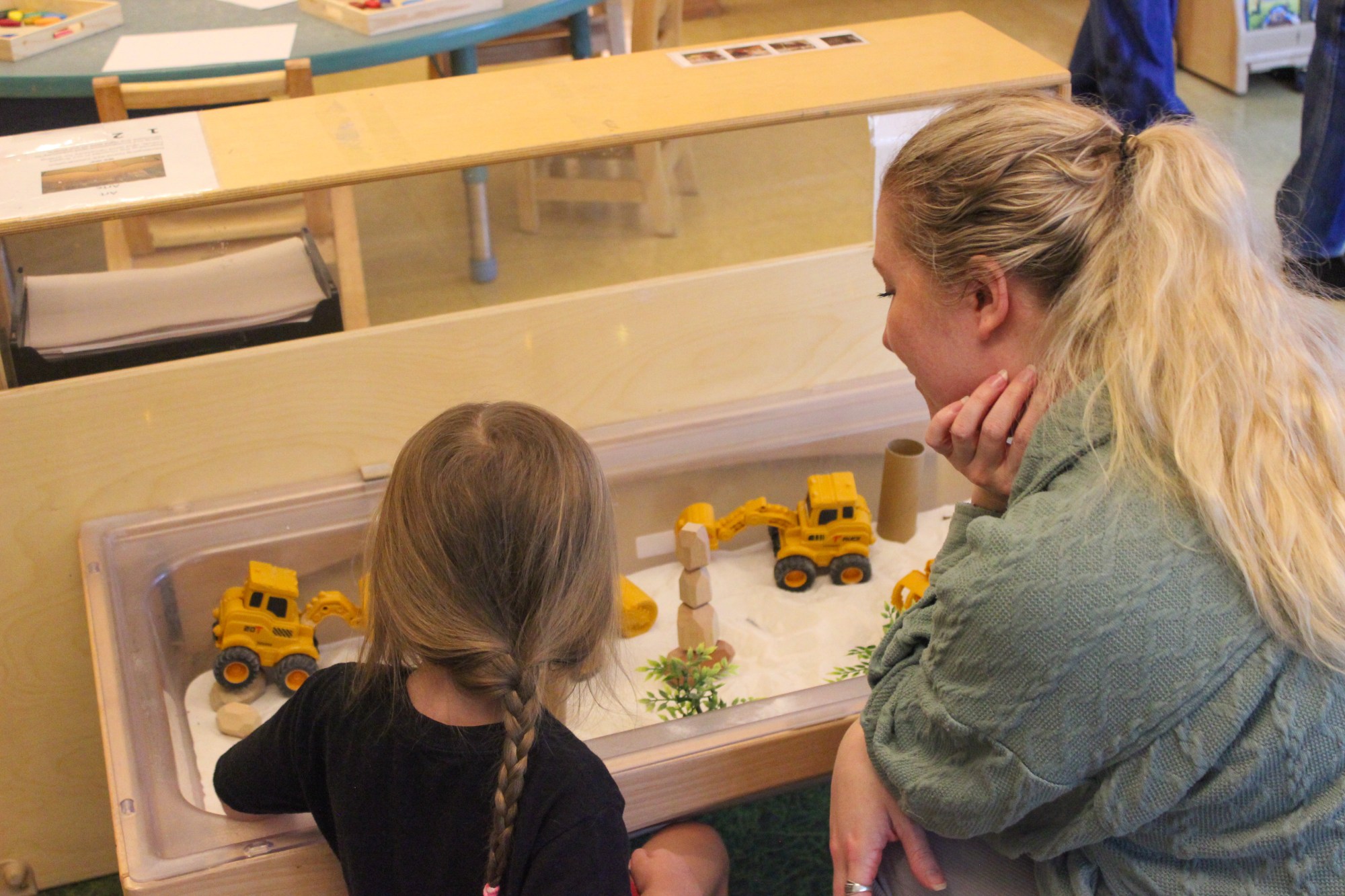
When strong winds of Hurricane Helene devastated Western North Carolina in fall 2024, daycare teacher Amitra Tutt said she and her mother, Cynthia Logan, felt blessed. The Forest City in-home daycare they run avoided flooding and experienced only a three-day power outage, unlike nearby Lake Lure and Chimney Rock which saw massive flooding.
But their Tiny Tots Daycare building didn’t escape unscathed. A tree from a neighbor’s yard fell on the roof. The daycare, which Logan has operated for more than 25 years, closed for a month to make $36,000 in repairs to the roof and siding.
Tiny Tots is one of dozens of daycare facilities in the region that suffered physical and financial damage from Helene.
It looked like help was on the way for Tiny Tots and other childcare facilities in Western North Carolina when federal relief flowed to the state in February in the form of a $75.8 million grant for storm-related damage.

But now, two years since the storm, none of those funds have left state coffers, leaving childcare staff like Tutt wondering if they will ever get help.
Eight months after the storm, the Division of Child Development and Early Education (DCDEE), a unit in the state Department of Health and Human Services, put out a call for daycares in areas affected by Helene or by Tropical Storm Debby, another storm which caused a statewide emergency the month before Helene.
The announcement asked providers in affected areas to complete a report called a Disaster Impact Report. Childcare operators had until July 1, 2025, to complete an application so that the state could make its application to the federal government by mid-September 2025.
Across the region, 129 childcare facilities filed Disaster Impact Reports with DCDEE, noting damages, lost wages and additional services. Of those, 54 completed the reports, totaling approximately $5.7 million requested in assistance.
Tutt first completed the form in April 2025, hopeful for some relief.
She and her mother had received the $750 allocation from FEMA for food replacement, but they didn’t get any funding from FEMA for the roof.
While their home insurance covered a small part of the cost – about $4,500 – the business insurance did not provide any coverage. The pair was left on a payment plan with the roofing company that, because of interest, they estimate will cost nearly $70,000 to pay off.
“We’re praying that we get it because it’s been a big strain,” Tutt said.

The federal government notified North Carolina officials of the $75 million award in February 2026, but a DCDEE spokesperson told NC Local the funding was not released by the federal government until May.
Although “states were allowed to move forward with the funding after the kickoff meeting” in May, according to the DCDEE spokesperson, the department has yet to distribute funds to any of the 54 applicants.
The department has focused on hiring a disaster support team, developing a program for new childcare facilities on college campuses in the region and exploring a wage supplement program for providers, a DCDEE spokesperson told NC Local in an email.
The agency has also been “planning for statewide emergency preparedness and response events that will be conducted in 2027 for all childcare operators,” she said.
DCDEE declined NC Local’s requests for interviews.
The division has started hiring staff to “support and oversee the disaster funds,” the spokesperson told NC Local. DCDEE has spent $25,000 for staffing. That’s the first chunk of the $75.8 million that has been spent, according to DCDEE.
The department said it hired a project manager in July 2026 and four disaster relief consultants this month. The staff “will be the first point of contact for childcare operators who are in need of assistance,” the spokesperson said.
The agency plans to begin reimbursing childcare operators in the fall, a timeline some potential recipients say is too little, too late.
Marcia Whitney, president and CEO of Buncombe County’s Verner Center for Early Learning, said she expected more help from the state.
“It’s been disappointing, to be completely honest. I felt heartened when two weeks after the storm our state government said, ‘We’re going to be doing something to help you all,’” she said.
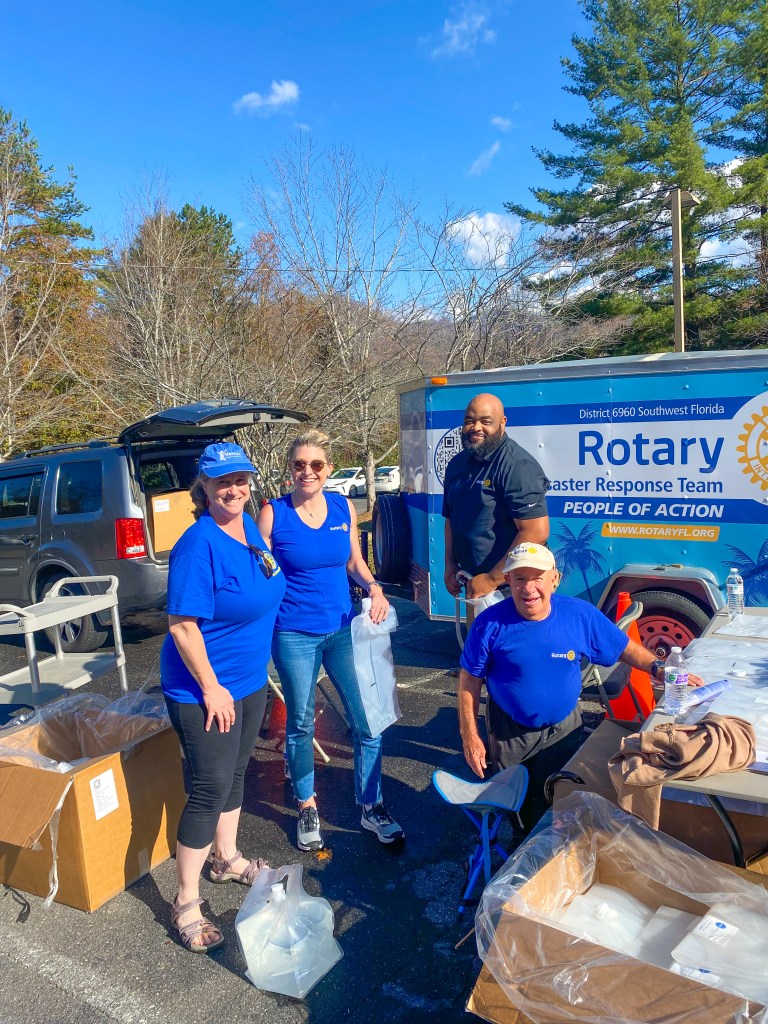
Like much of Buncombe County, the Verner facilities – one at Warren Wilson and one at Emma Elementary School – closed for five weeks due to lack of water, leaving more than 200 children without a facility.
The centers applied for about $38,500 in DCDEE funding as reimbursement for business expenses including mental health support groups that Verner offered to families of young children in Swannanoa. The application request is just a small part of what Helene cost the center, Whitney said.
“It’s better than nothing. And two years after the storm it feels less impactful. It would have been a great joy if it had been sooner, but here we are,” Whitney said. “We’ll be glad to receive it, whenever it is received.”
Waiting for help
In the 25 counties FEMA declared disaster areas immediately after the storm, 820 licensed early childhood education providers were in operation when the storm hit. The affected counties experienced a net loss of 145 childcare facilities from October 2024, immediately following Helene, to September 2026, according to the agency.
Rural counties suffered some of the greatest net losses of licensed childcare facilities, a March DHHS report showed. Some childcare centers in the region closed permanently after the storm.
Matt Calabria, director of GROW NC, the governor’s recovery office for Western North Carolina, acknowledged the need for a fast response.
“We have prioritized speed, and we know that dollars are most effective when they are deployed early and strategically to help folks get back on their feet,” he said. “It’s much better to help a business or a childcare center bounce back a month after the storm than 12 months after the storm.”
Calabria said the recovery efforts aim to deploy state funds in the interest of speed, but there is a desire to leverage federal funding when possible.
While the recovery office pushes for quick and effective relief, the responsibility for providing assistance services ultimately rests with the agencies, he said.
“A lot of what we have done is programmatic oversight of the various programs trying to coordinate across agencies,” he said. “The details of this program and of most programs are handled by the agencies themselves.”
One area of concern expressed by childcare professionals in the region is the lack of communication from the agency about the funding.
The DCDEE spokesperson said information was distributed through a weekly newsletter for childcare facility operators and quarterly virtual and in-person NC Child Care Commission meetings.
Verner Vice President Kaitlyn Guyer, who submitted their application in July 2025, said they have not received any direct communication about their application since submission.
“There hasn’t been a lot of that information and so it’s just sort of been a waiting game,” Guyer said.
The report was submitted into an agency portal Guyer said she checks frequently hoping for any updates.
Guyer said she hopes their application included the correct information because she hasn’t filled out an impact report before.
“It’s a little confusing. I imagine other providers who don’t do a lot of grant applications might have been a little confused,” she said.
The Christine W. Avery Learning Center (CWA) in Swannanoa is one of hundreds of childcare centers that haven’t applied for the DCDEE funding yet.

It’s not that the center, which opened under new leadership in the week before the storm, doesn’t need the additional funds. But almost two years after the storm, the center has been working through a number of other grants.
Damage to school supplies and furniture totaled more than $150,000, not including damage to the facility. Lost income, which is eligible for reimbursement, totaled about $120,000. Managing director Sandra Lovelace said the center has been able to recover 70% of losses through grants and partner funding.
Lovelace said their head of operations focuses on grant writing, but it is difficult work.
“It’s a paperwork hill to climb in order to get and achieve those funds,”Lovelace said. “It’s on our to-do list. I know right now we’re in a heavy grant writing season for a couple different things.”
Nonprofits and state funding fill immediate needs
While the bureaucratic hurdles slowed the response of the federal funds, a state allocation of $10 million by the General Assembly to the North Carolina Partnership for Children for Helene-affected counties was the first line of defense for support. By the end of June 2026, the organization had distributed $6.35 million through local affiliates, serving 7,808 children in 14 of the 16 eligible counties, according to a GROW NC report.
Local partnerships gave out the grants to childcare centers in their regions. So far, these funds have served 7,808 children in 14 of 16 eligible counties, according to GROW NC’s August 2026 report.
Verner was one of the recipients of the state funds, receiving about $14,400 for mental health and bilingual resilience training they provided after the storm, Guyer explained.
While they waited on DCDEE funding, Verner received assistance from a variety of other sources including NC United Way and an Emergency and Disaster Relief Fund funded by Dogwood Health Trust, WNC Bridge Foundation, and the Community Foundation of Western NC (CFWNC). Liability insurance also covered lost revenue and food lost during the power outage.
“Basically all of our expenses and lost revenue that were directly related to Helene and its immediate aftermath have been covered by a variety of funding sources,” Guyer said in an email.
They still have a pending application with DCDEE, but Guyer acknowledged the other relief they received puts them in a better position than other applicants.
“We know that many other childcare providers in our region have not been as fortunate!” she said in an email.
Asked about the delays, Calabria said he understands the on-the-ground perspective.
“The paradox of recovery in virtually every major area is that you can be moving very fast compared to your peers and your past and the national experience and still from the survivors’ perspective be moving slowly,” Calabria said.
Tutt in Forest City said the wait is taking a toll.
“It’s been very stressful, and it’s been causing a lot of stress, depression, anxiety,” she said. “I wake up with a headache stressing myself every day. I know it’s because I’m worried about my mom and her health problems and stuff, and she’s stressed about it too.”
Note: Dogwood Health Trust is a funder of NC Local. See our editorial independence policy here.