Overview
A new state office, directly under Gov. Stein, has broad authority related to how recovery funds are tracked and spent. There are numerous data dashboards available at the state level, and North Carolina is producing several regular reports that tally federal aid.
What you need to know
What to know
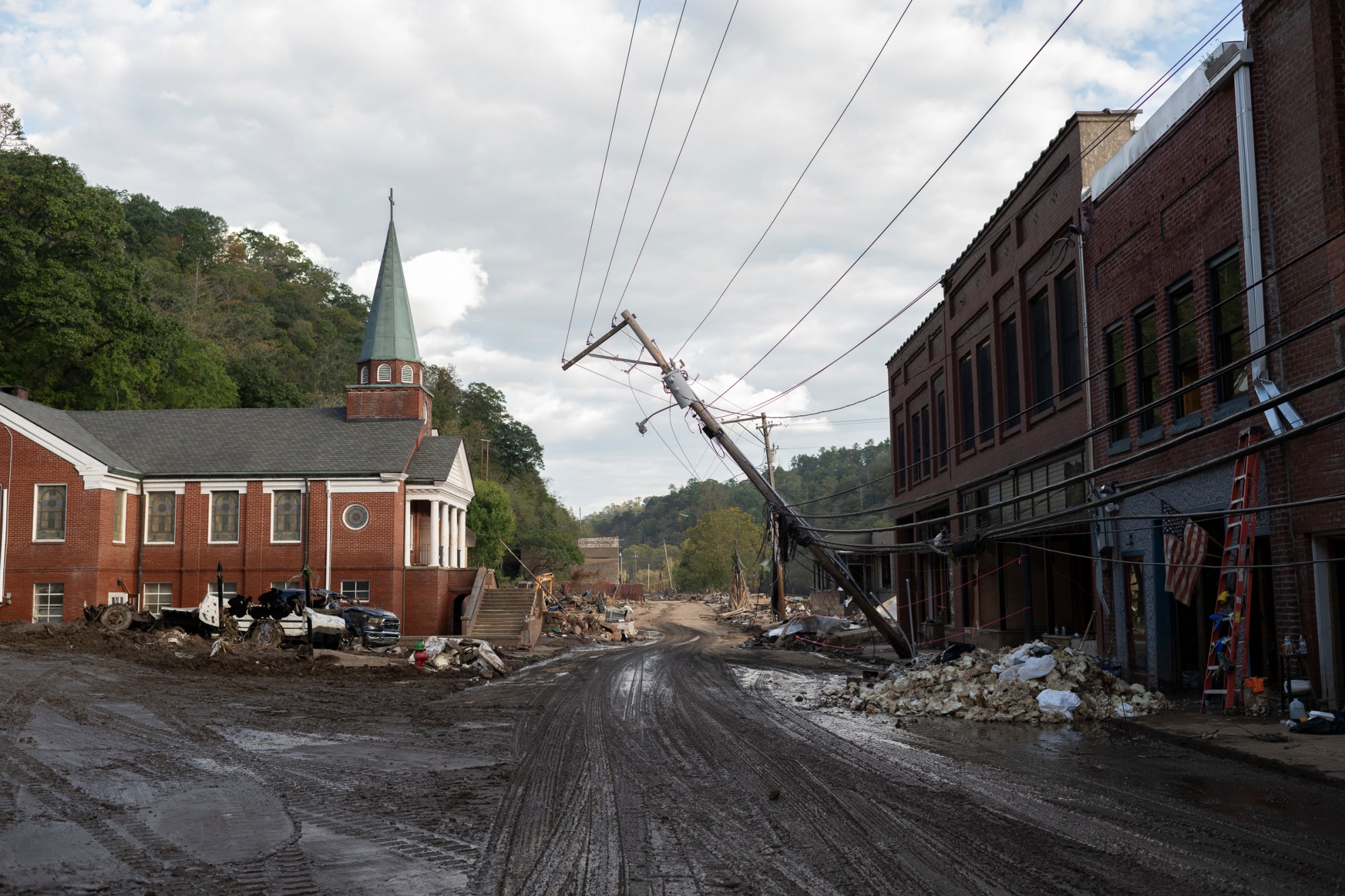
Recovery programs and spending span nearly every state program and agency. By far, funding for public infrastructure projects (including roads, bridges, water systems, and electricity/power) represents the majority of how the state plans to use the requested federal funds.
Aside from these large infrastructure projects, one of the largest single programs – a $1.4 billion home rebuilding program – is within the Department of Commerce. In recent years, North Carolina’s approach to home rebuilding after major disasters (like Hurricane Matthew) has been heavily criticized amid delays. After Helene, the state overhauled the office that handles this program. In addition, the governor has established a leadership team and a 29-member advisory committee under GROW NC.
What is GROW NC?
By executive order, GROW NC was established as a clearinghouse of sorts in January 2025. The Governor’s Recovery Office for Western North Carolina is responsible for intergovernmental coordination (such as with the federal government and lawmakers in Raleigh) as well as overseeing Helene recovery efforts undertaken by state agencies under the authority of the Executive Branch.
In terms of transparency and tracking of funds, GROW NC is responsible for providing public financial updates as well as producing spending reports required by law.
GROW NC is led by Matt Calabria, an attorney and a former commissioner in Wake County. Other members of the governor’s team include two women reassigned from other leadership roles in state government; a former Duke Energy executive; and a former development director at Blue Ridge Conservancy.
- Emily Williamson Gangi, chief deputy director for GROW NC, most recently served as policy director for the Division of Broadband and Digital Opportunity.
- Scott Elliott, deputy director for engagement, comes from the Blue Ridge Conservancy but is also a former public schools superintendent.
- Sharon Decker (senior advisor for long-term recovery) was previously with Duke Energy and was NC Secretary of Commerce under past Republican Gov. Pat McCrory. Decker joined the governor’s office on leave from her role with Tryon International Equestrian Center.
- Holly Jones, a former Buncombe County commissioner, is director of Stein’s office in Western North Carolina, which supports GROW NC’s work. Jones previously worked for the Department of Justice and with Stein when he was attorney general.
Why it’s important
Before Helene struck, North Carolina’s central office for disaster-related rebuilding was mired in controversy and financial problems. In the aftermath of Helene, the director of that program left.
A division inside the North Carolina Department of Commerce is overseeing a key home rebuilding project. The GROW NC team reporting to the governor has oversight of major recovery programs using tax money. In addition, federal agencies – from HUD to the EPA – have their own reporting requirements of states and local governments that receive funds.
What’s the latest
Renew NC – the state’s recovery program charged with putting $1.4 billion in federal grant money into repairing homes in Western North Carolina – recently finished its first project. Financial help is available for single-family home repair and construction for owners in 28 counties (with most applications expected to come from Buncombe and Henderson counties).
An older program, which focused on supplying temporary housing in the mountains, installed just six of 1,000 planned trailers in early 2025.
Where to find oversight reports and data
The state’s recovery office published quarterly reports and an interactive dashboard containing data on housing programs, infrastructure projects, small business aid, and spending on social programs like schools, food stamps, mental health support and more.
How to get help
Anyone whose home was damaged in Helene and whose property is located in the list of eligible counties can apply – but there are some conditions, including:
- That the home is your primary residence, not a rental property or vacation home
- That you owned the home at the time of the disaster
- That you haven’t sold the home
The program gives priority to seniors, low-income families, homes with children, or residents with disabilities. For more application details and a real-time data report on how many people are being helped so far, go here.