

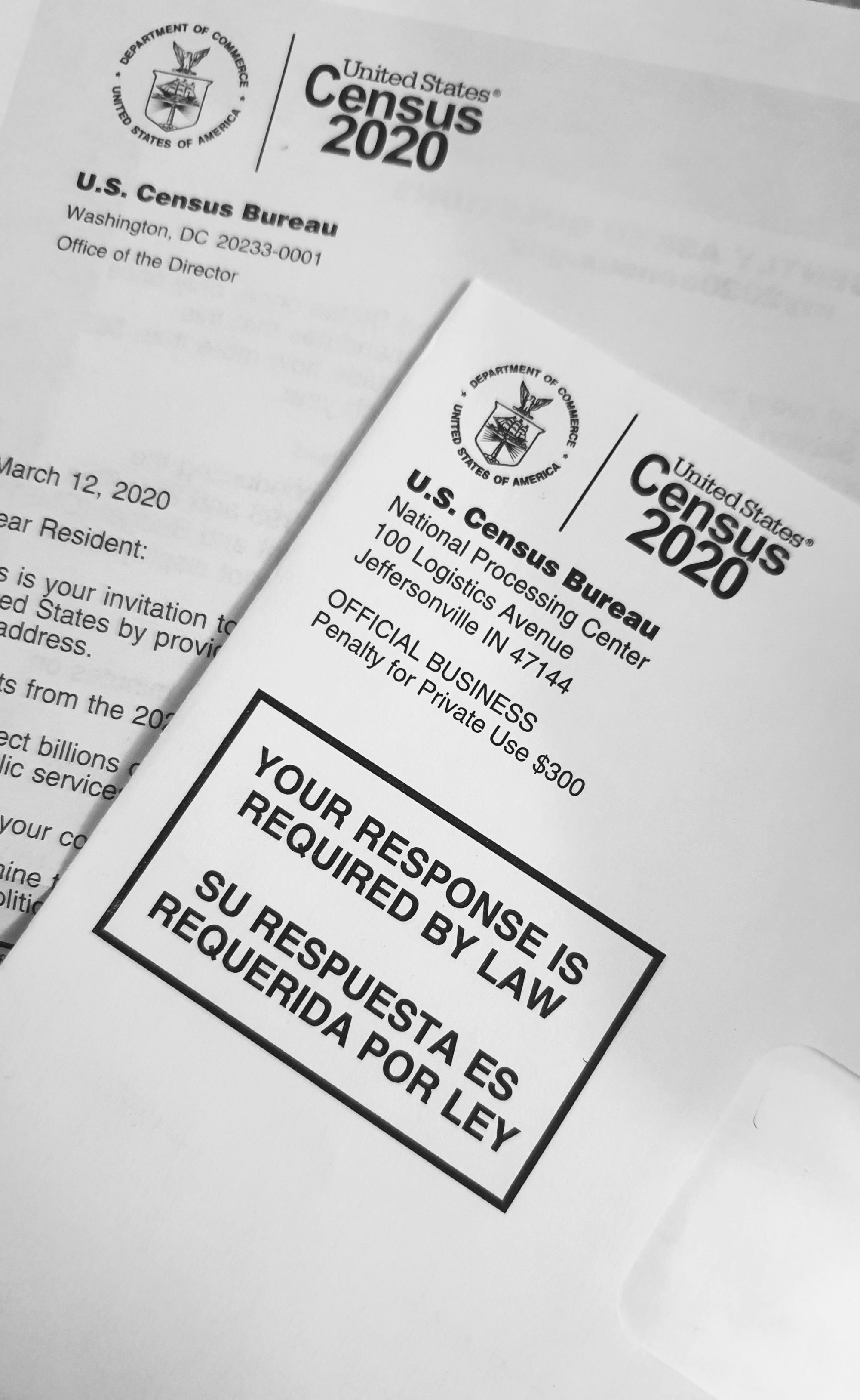
The Trump administration has proposed several major changes to the 2030 census that could limit who is counted and what information is collected. Among the changes, any non-U.S. citizens without a green card would not be counted, and the census would no longer ask people about their race, ethnicity and sexual orientation.
Demographic experts warn that those changes could dramatically undercount people in the country and lead to changes in political representation, federal funding and quality of the data, which is collected every 10 years.
NC Local spoke with Nathan Dollar, director of Carolina Demography at the University of North Carolina at Chapel Hill, to get his thoughts on how the proposed changes could affect North Carolina. The conversation has been edited for length and clarity.
When did you first hear about these potential changes, and what was your reaction?
I can’t remember exactly when it was, but the proposed changes were actually leaked before they were published in the Federal Register, and that’s when I found out about it. My initial reaction was very negative. It’s late in the game to be making changes like this. Logistically, it’s really challenging to implement some changes like this.
Every professional organization that represents population scientists has come out in stark opposition to these proposals. It’s likely going to lead to a significant undercount. It’s going to imperil the validity of the decennial count, which is going to have ripple effects.
It’s really going to imperil the public’s access to objective and timely data, which is going to have negative effects for everyone, regardless of party affiliation or political ideology.
People use these data to make informed decisions across the board in the private sector and the public sector to make strategic planning, evaluation, programming, etc. And so, not getting these data right is going to harm everybody.
Are there any specific ways that you think it could impact North Carolina?
I think it will impact North Carolina similar to how it will impact other places. It will likely lead to a substantial undercount of the North Carolina population.
They haven’t really specified yet how they intend to implement these changes to the residency rules. They’re saying that they only want to count people who are U.S. citizens or legal permanent residents, which implies that there may be some type of citizenship question on the census itself, perhaps.
The Census Bureau’s own studies have found that that is likely to have a chilling effect and suppress participation, not only among non-citizens but also among U.S. citizens. It could be that we’re not sufficiently represented in Congress, hypothetically. It could also mean that we have fewer federal dollars allocated to North Carolina than otherwise would be.
There’s lots of groups across the state that we work with that use these data to evaluate progress, and this could just imperil access to that data. It undermines the credibility of the Census Bureau and the trust that people have, which is already not great. And so I think that it undermines our trust in the public data, which is very harmful, I would argue.
What do you think are the chances that these changes make it into the next census?
I was just talking about that with a colleague, and I don’t really know. Normally, the comment period is 90 days for when they put something in the Federal Register.
They came out with a 30-day public comment period. They extended it to Nov. 2. Dataindex.us created a handy website called Hands Off Our Census that really lays out the issue in clear terms.
This has seemingly become a partisan issue, and I don’t know how that’s going to shake out. We’ve got two elections between now and the 2030 census. I would not even venture to say whether or not this is going to go through or not. I certainly hope not.
Is it common to have major changes to the census?
Well, not major changes like this, not in recent history and certainly not this late in the game. We’ve collected data on race and ethnicity every decennial census in some form since 1790. So that would be a seismic shift in standard practice. Also logistically, to start messing with the question format this late in the game I think is uncommon.
Have there been any changes to a previous census that you didn’t agree with, or have the changes been pretty standard?
There’s been certain things related to changes in their methodological policies for avoiding what they call disclosure avoidance. Actually, there’s some proposed changes [in the current proposal] as well that are also problematic. But in my time, there’s never been anything like this. That would be such a seismic shift and endanger the accuracy of the count so much.
The census takes years of planning. Why do they start planning it so far in advance?
It’s incredibly challenging to count the whole population. Right now they’re starting the process of ensuring that local governments are reporting up-to-date, accurate address data. The whole thing is built on a master address file.
You have historically undercounted populations, children, racial and ethnic minorities, etc. Making sure that we get a full and accurate count is just so critical to get that decennial count accurate.
Constitutionally, its primary purpose is for congressional apportionment, but it’s also used to make decisions of how billions and billions of federal dollars are allocated. If we don’t get that count accurate, it also affects other nationally representative surveys, such as economic surveys and health surveys. If we’re not getting an accurate count, it could profoundly affect how political power is allocated and how federal dollars are allocated.
When you look at the census, are there certain data points that are most fascinating to you?
We certainly look at the full count of the population. I look at the age and sex distribution, the racial composition. That’s what’s often the most interesting. Keep in mind, the decennial census really is a very limited number of questions. What’s very useful about the decennial census, among other things, is that you get more accurate counts at lower levels of geography.
How can people participate in the census planning process?
The easiest and most direct way to do it is to submit a comment to the Federal Register. It’s open for public comment right now. You don’t have to be an expert.
It’s not lost on me that census data and issues related to the census can be boring and not seem important. But I would encourage people to really educate themselves and understand just how important it really is that we get this right.
You don’t have to be a demographer or a professional social scientist to draft a public comment. There’s templates that people can use. I encourage them to use the website, Hands Off Our Census. NC Counts Coalition has a lot of resources on their website that I encourage people to visit and access. We really want people to make their voices heard and submit public comments. Then, of course, contact your representatives and let them know how you feel about this.