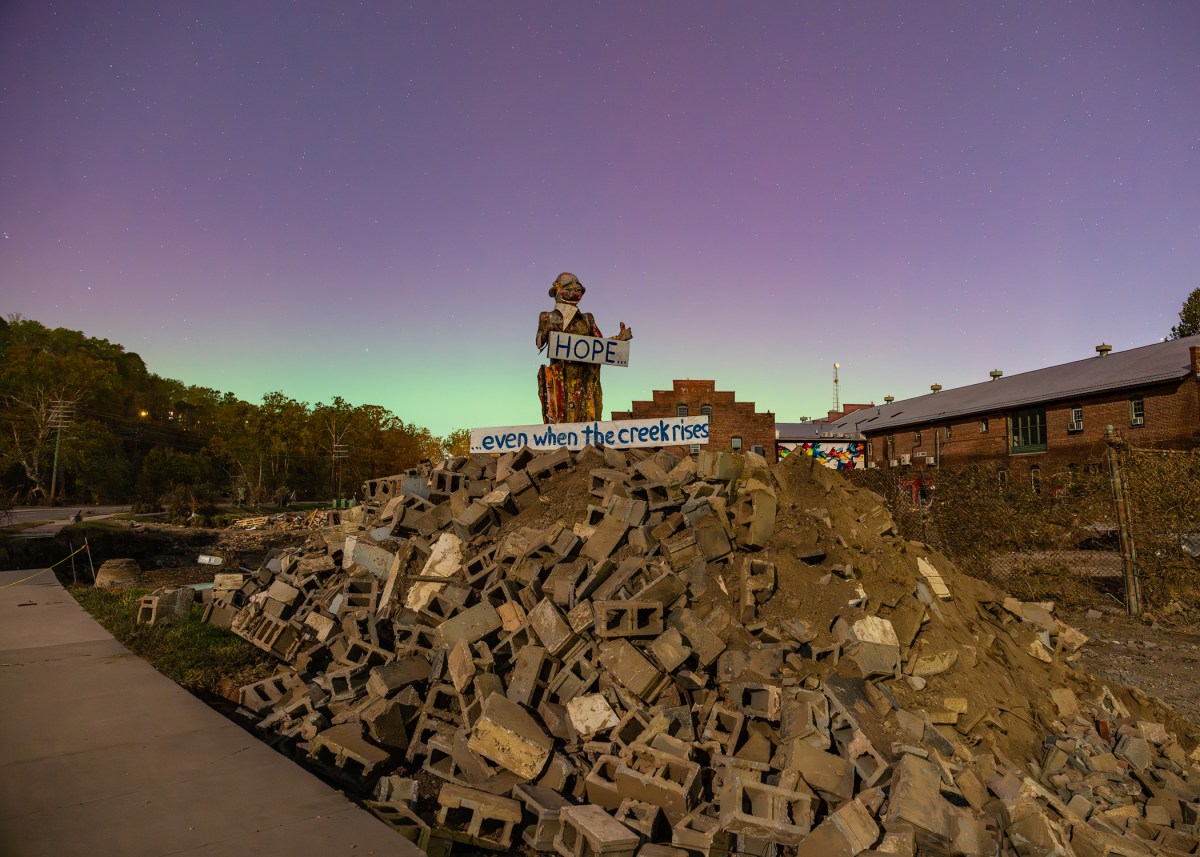
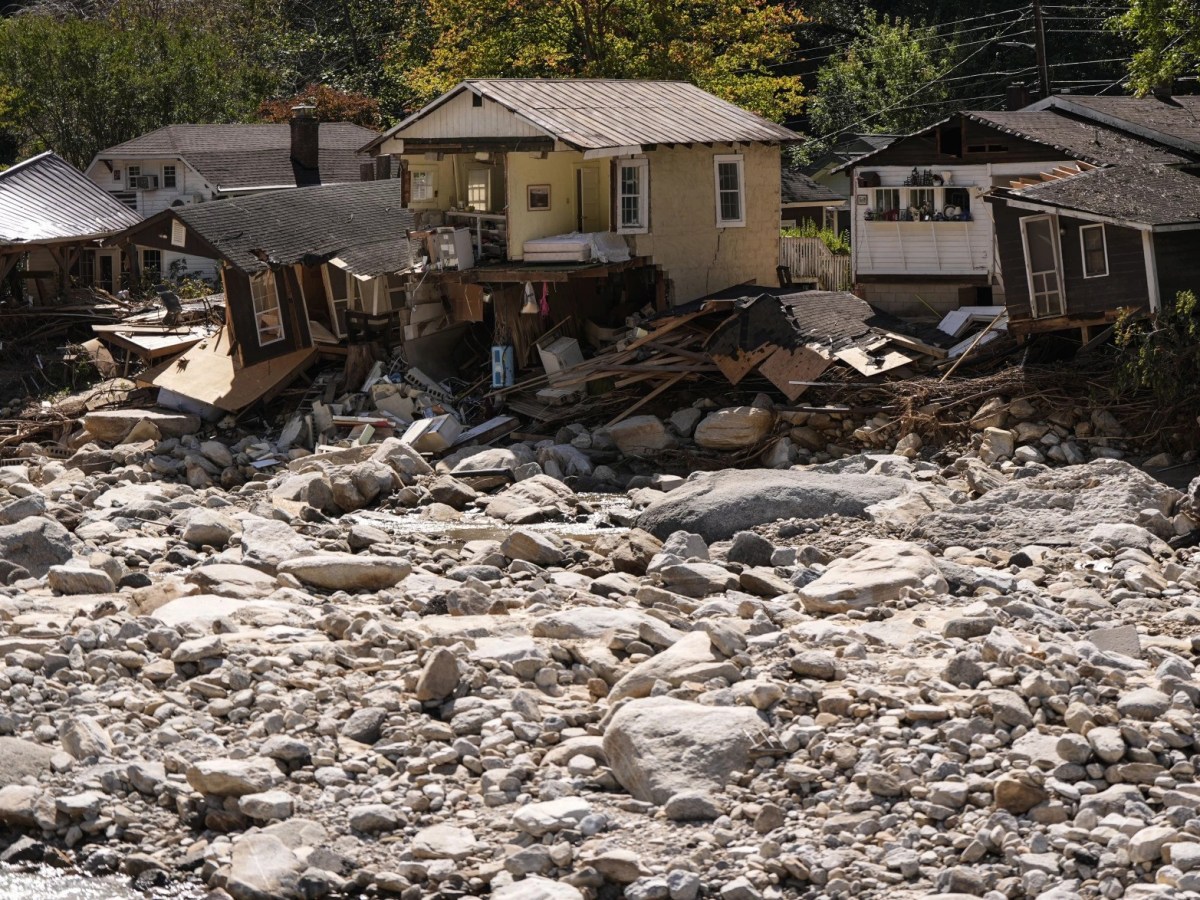
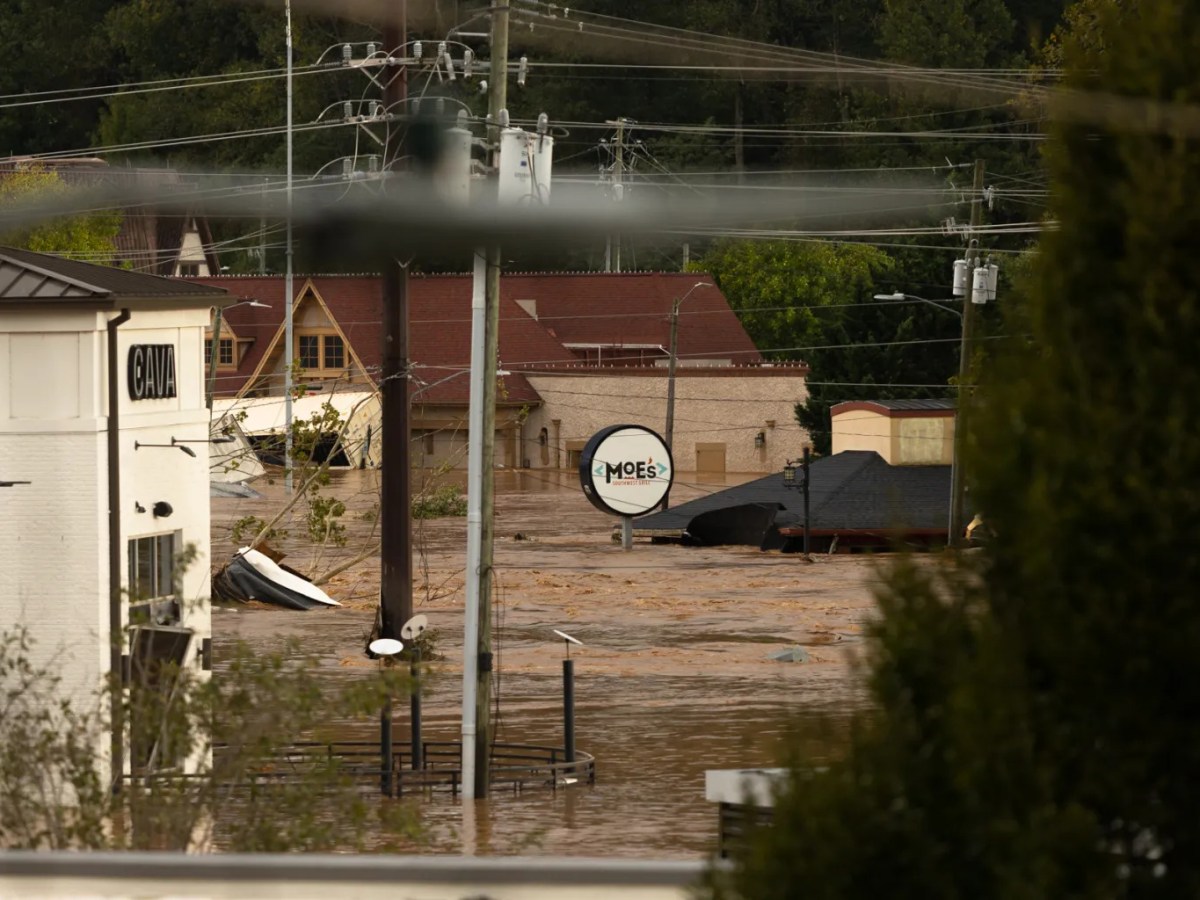
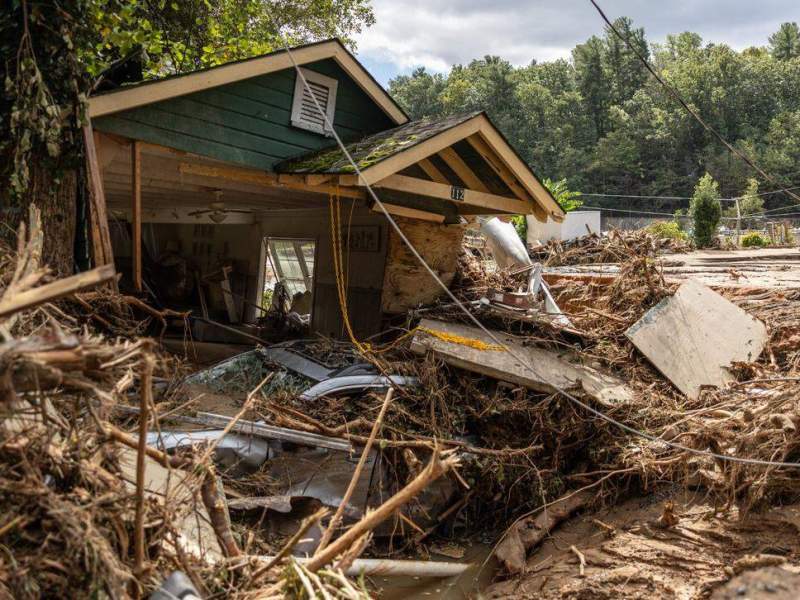
Hurricane Helene tore through Western North Carolina in late September 2024. Crushing water flooded communities, destroying homes and claiming dozens of lives. Cities and towns went dark with widespread power outages. Communications halted with cell towers down and internet access hindered. The storm wrecked Asheville’s water system, leaving 100,000 residents without running water.
One year later, we are reflecting on the storm and the many efforts at recovery. In the immediate aftermath, many sources promised help: nonprofits, for-profits, local, state and federal government entities. With partners from more than a dozen news organizations across the region, NC Local starts to answer your questions about recovery, funding and what work remains.
Questions and Answers on Recovery
Here’s what to know about major spending and the years-long rebuilding effort – from the $6 billion approved in Congress to the impact of insurance claims in a region where 95% of flooded homeowners didn’t have the right coverage.
Who is in charge of recovery efforts for NC? How is spending being tracked?
Following a natural disaster, several state agencies may respond. Lawmakers are also considering consolidating these groups into one agency.
After Helene, Gov. Josh Stein, by executive order, set up a leadership team with oversight of major recovery programs using tax money, including federal grants and allocations provided to North Carolina.
Renew NC, a division of the North Carolina Department of Commerce, is overseeing one of the largest areas: home rebuilding. In addition, federal agencies – from HUD to the EPA – have their own reporting requirements of states and local governments that receive funds. The Commerce division that includes the home rebuilding program was also created by executive order soon after Stein became governor. Read more.
How much money has been allocated to Hurricane Helene recovery in North Carolina?
About $7.6 billion in state and federal funding, as of mid-year 2025 calculations. But additional federal funds out of the $5.95 billion appropriated by Congress in December 2024 is expected. At the one-year mark, approximately 20% of the projected $60 billion worth of damage and financial loss stands to be covered by taxpayer programs and insurance claims. Read more.
Learn More

How many people lost their homes, and how many people are considered displaced one year later?
Around 1% of people in Western North Carolina lost their homes or are thought to still be displaced one year later. Demand for rental assistance is higher now, almost one year later, than when Helene first ravaged the region. Also complicating rebuilding and funding efforts is the fact that only 5% of homes with flood damage had the necessary property insurance to cover restoration or rebuilding. Read more.


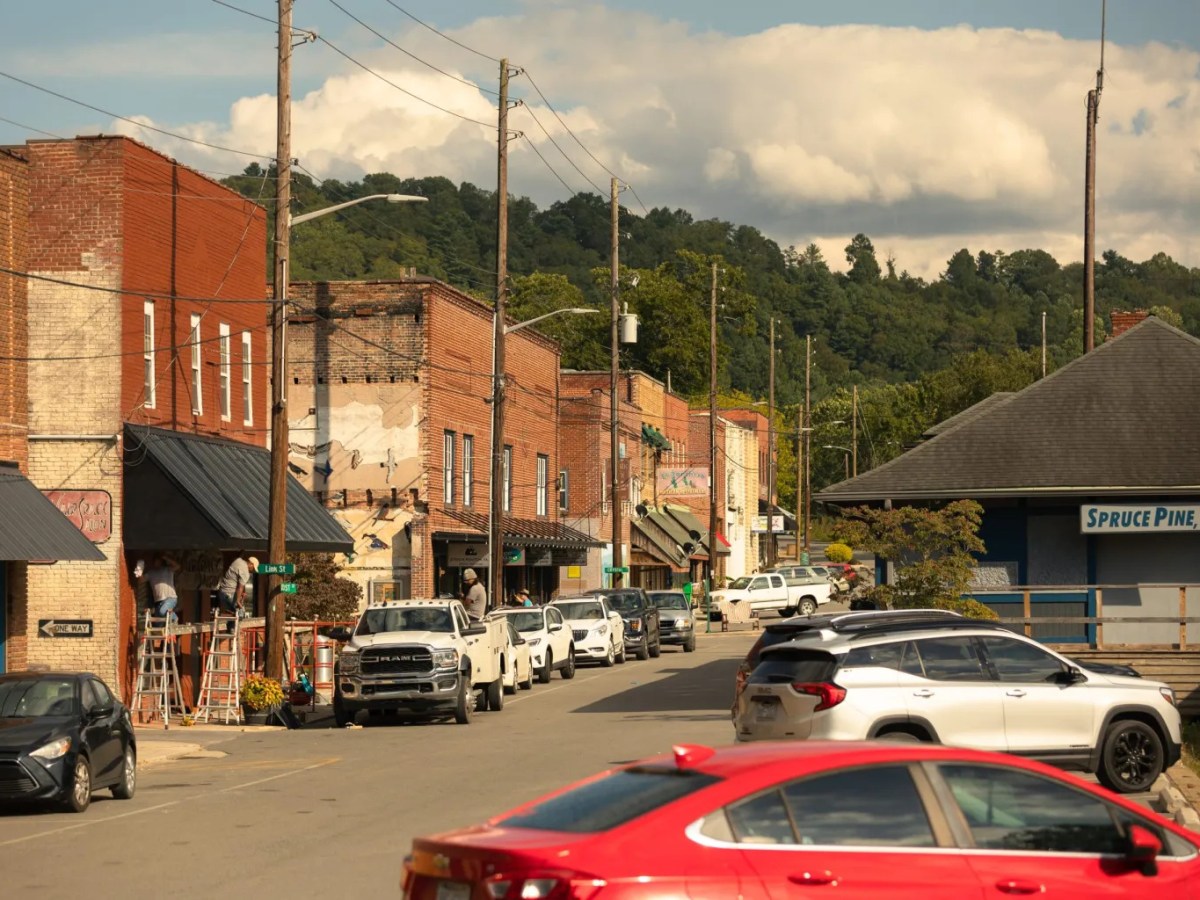
How is rebuilding going? How many people is FEMA helping rebuild their homes?
FEMA funding is not expected to be the major source of rebuilding homes in North Carolina post-Helene. FEMA, as well as the state, installed limited temporary mobile homes, and many survivors lived for weeks or months in hotels. In early 2025, the focus shifted to funding for programs that will rebuild or rehab damaged homes in Western North Carolina. Aside from charitable efforts and insurance claims, available funds for home rebuilding or repairing primarily come from $1.4 billion allocated by HUD in early 2025. Read more.
What does the future of disaster recovery funding look like? How prepared is North Carolina?
The federal government traditionally spends more money than states on rebuilding infrastructure after a disaster. But many experts forecast the federal government will provide less and less funding – both in terms of immediate support like paying for hotels after a disaster, as well as long-term recovery aid, like FEMA’s public assistance grants. Already, there have been cuts to a FEMA program that spends hundreds of millions of dollars helping build things like evacuation shelters and flood walls, as well as roads and bridges that can withstand stronger storms. Read more.
To compile answers to key questions, NC Local analyzed available data, current as of August and September 2025, from state and federal government sources, as well as trusted news partners.
Live in Western North Carolina?
We’re launching a Western North Carolina newsletter soon. Sign up for our newsletter list to be the first to know about our plans.
All Hurricane Helene stories



Something went wrong. Please refresh the page and/or try again.